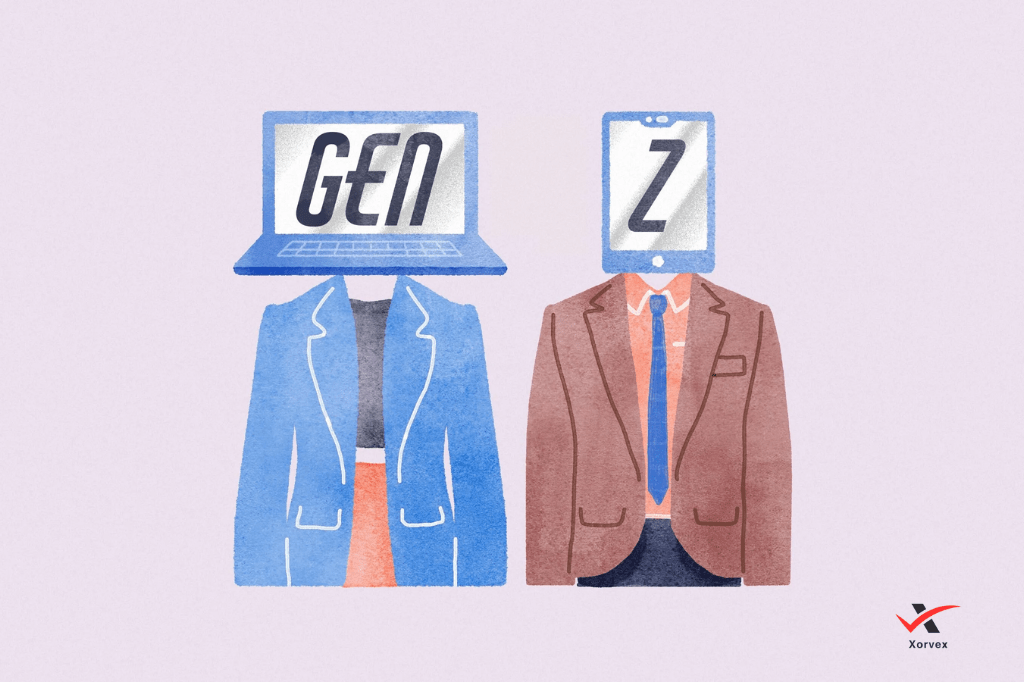
The traditional 9-to-5 work model, often seen as the pinnacle of career security, is rapidly giving way to new opportunities. And leading the charge are Generation Z – the cohort born between the late 1990s and early 2010s. Many Gen Z workers have grown up during a time of extraordinary technological advancement, economic disruption, and global unease, and they are now stepping into the workforce asking questions about work-life balance, purpose in their careers, and what it means to “go to work.”
Let’s take a look at how Gen Z is carving out the future of work and ignoring their 9-to-5 responsibilities in the process.
1. Flexibility over Rigidity
Gen Z craves flexibility like perhaps no other generation before them. This does not mean they are afraid of hard work— it just means they want to be able to choose how, when and where that work happens. We all know that remote work, hybrid roles and even asynchronous communications are incredibly appealing avenues for Gen Z professionals.
Why?
This is a generation that grew up with digital tools that allow for more than just instant access. In their minds, there is absolutely no reason to be physically present in an office to demonstrate productivity. For many of them, flexibility equals trust and autonomy.
2. Purpose Trumps Paycheck
Although economic stability matters to many workers, Gen Z is motivated more by purpose and values. They are drawn to companies that have a conscience regarding social issues, and commitment to sustainability, and are inclusive.
Impact on Work Styles:
Jobs that represent personal values are more preferable even when they provide irregular schedules and/or lower wage compensation. Gen Z will leave a high wage/9-to-5 job if it feels unfulfilling and/or ethically troubling.
3. The Side Hustle Renaissance
Gen Z is entrepreneurial by nature, and due to Tik Tok, Instagram, Etsy, and Substack, it has never been easier to monetize a hobby or create a personal brand. Many Gen Z workers juggle several jobs, they are not looking for one job, they want a handful of income possibilities.
The outcome?
Often the 9-to-5 is not the end but a way-point or a safety net. Besides, side hustles deliver creative autonomy, personal independence, and a safety net plan.
4. Mental Health as a Priority
Gen Z is redefining the conversation around mental health in the workplace. Unlike their predecessors, who probably viewed burnout as part of the grind or weren’t aware that burnout was a problem, Gen Z wants companies to be mindful of their mental and emotional well being.
This shift means:
- A demand for a four-day work week
- A higher bar of work-life balance
- Open dialogue around stress, anxiety, and boundaries
- Less loyalty towards companies that are toxic, or simply out of touch
5. Tech-Native, Not Tech-Dependent
Yes, Gen Z is tech-savvy, but they are also aware of digital burn out. They use technology to work smarter, not harder—automating tasks, using productivity tools, and AI to save time.
That makes the office as we know it feel old fashioned, particularly with its requirement for in-person meetings, tracking time like a spy, and its reliance on software from the stone age.
6. Wanting More from Employers
Gen Z has no issue walking away. They have lived through recessions, pandemics and mass layoffs. They expect job security in a different way and are happy to not just accept things they want to challenge.
They want:
- Transparent communication
- Real diversity and inclusion initiatives
- Opportunities for continuous education and ongoing learning
- A clear growth path without being micromanaged
Conclusion
Gen Z is not just anti-work; they are anti-exploitation and anti-burnout. They want to be able to build careers around their life, instead of molding their life around the whims of a job. They are not just challenging the status quo; they are demanding change to a culture where autonomy, purpose, flexibility and well-being are expected and not optional.
As more and more Gen Zers enter the workforce and build their careers, any organization that is unwilling to reshape itself will find it hard to be competitive or retain talent.
The 9 to 5 is not extinct, but it is being redefined.
Read about: What’s New on LinkedIn in 2025 – Why It Matters for Your Career
 Xorvex
Leave a comment