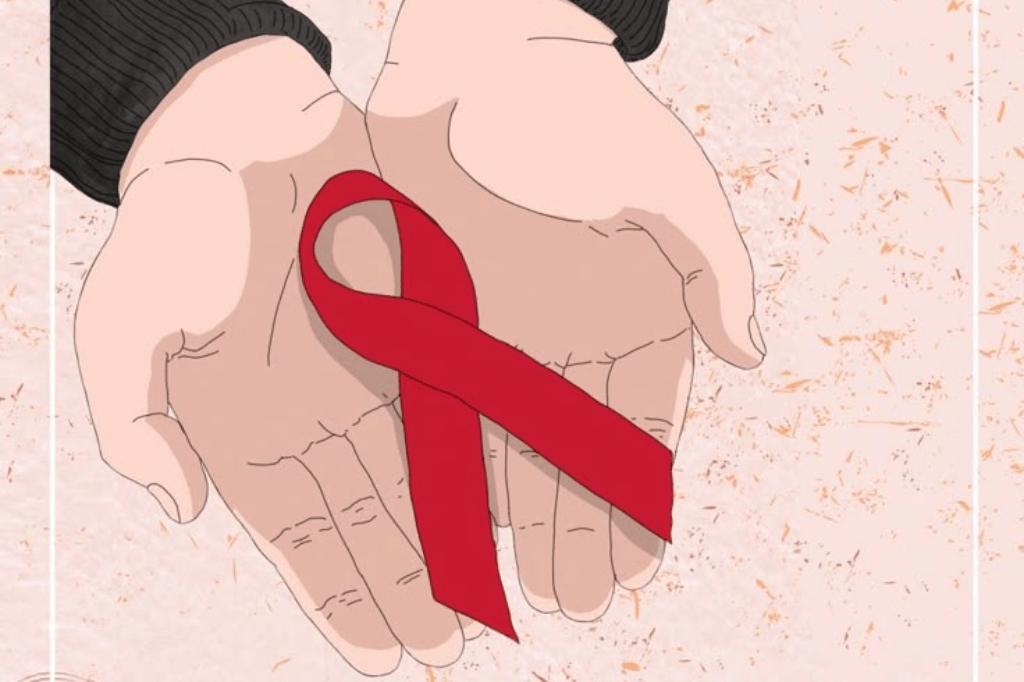
What is cancer? Cancer is defined as a disease in which some cells of the body multiply without control and spread to other parts of the body. It is taken into account as one of the top 10 causes of death worldwide, which makes it extremely important to know the early signs, for diagnosis and early treatment. So, what exactly are the early warning signs of cancer? How would you even know? What are some examples of signs and symptoms to be aware of? and how do you know When do you seek a doctor?
This guide will give you the answer to these questions, give you some examples of the early warning signs so you can be proactive about your health and seek help earlier than later!
What Are the Early Signs of Cancer?
Early signs of cancer can vary depending on the type and location of cancer, but some general symptoms are considered red flags. These symptoms often overlap with less serious conditions, which is why they’re easy to dismiss—but shouldn’t be ignored.
Here are some of the most common early warning signs:
- Unexplained Weight Loss: Losing weight without trying—especially 10 pounds or more—can sometimes be an early sign of cancer, particularly cancers of the stomach, pancreas, lung, or esophagus. Even when trying, if the drop is too much and is not a change you usually yield from changing your diet, then you might start getting a little worried if it’s actually your efforts or that something else is happening in your body!
- Persistent Fatigue: As long as you don’t have any other conditions that could cause this tiredness- like iron deficiency or thryoid disorders- then ongoing fatigue that doesn’t improve with rest can be a sign of leukemia, colon cancer, or stomach cancer. It’s not just being tired—it’s an overwhelming exhaustion that affects daily life.
- Changes in Skin: New moles, changes in existing moles, darkening of the skin, or yellowing (jaundice) can be signs of skin cancer or liver-related cancers.
- Unusual Bleeding or Discharge: Blood in the urine, stool, or coughing up blood can indicate cancer in the bladder, colon, lungs, or cervix.
- Lumps or Swelling: A lump or thickening under the skin—especially in the breast, testicles, or lymph nodes—may be an early warning sign.
- Chronic Pain: Ongoing pain that doesn’t go away, especially in the back, head, or bones, could signal cancer, particularly if there’s no obvious cause.
- Persistent Cough or Voice Changes: A cough that lasts longer than 3 weeks, hoarseness, or wheezing could indicate lung or throat cancer, especially if combined with risk factor such as a history of smoking or absence of recent infections.
- Difficulty Swallowing: Also known as dysphagia, this can be associated with cancers of the throat or esophagus.
- Frequent Infections or Fevers: This may signal blood cancers like leukemia, especially if the body is having trouble fighting off infections.
Why Are Early Signs of Cancer Important to Recognize?
Catching cancer early often means it’s more treatable. Many cancers detected at early stages can be managed or even cured with modern treatments. However, many people dismiss or ignore symptoms, attributing them to aging, stress, or minor conditions.
Understanding these early signs empowers you to seek medical attention sooner rather than later, which could be life-saving.
How to Monitor for Early Signs of Cancer Naturally?
While not all cancers can be prevented, staying aware and living a healthy lifestyle can reduce your risk and help with early detection.
- Know Your Body: pay attention to changes, even small ones. Whether it’s a new mole, a lump, or a change in appetite—your body usually gives clues when something’s off, especially in regions like armpits, sexual organs and neck.
- Keep Track of Symptoms: keeping a symptom journal can help you notice patterns and give your doctor a better picture if something seems wrong. Record things like fatigue, appetite changes, or pain levels.
- Regular Health Screenings: don’t skip routine screenings like mammograms, colonoscopies, pap smears, or skin checks. These tests can detect cancers before symptoms even show up.
- Stay Physically Active: exercise helps your immune system and can reduce the risk of certain cancers. It also makes you more attuned to your body’s changes.
- Eat a Balanced Diet a diet rich in fruits, vegetables, whole grains, and lean protein supports overall health and reduces cancer risk. Limit processed meats, sugary foods, and excessive alcohol.
- Avoid Smoking and Limit Alcohol: tobacco use and heavy alcohol consumption are linked to many types of cancer. If you smoke, quitting is one of the most important things you can do.
When Should I See a Doctor About Possible Cancer Symptoms?
Any persistent, unexplained symptom that lasts more than a few weeks should be evaluated by a healthcare provider—especially if it worsens over time. Here are some questions to ask yourself:
- Has this symptom lasted longer than 2–3 weeks?
- Is it getting worse?
- Is it affecting my daily activities?
- Do I feel like something just isn’t right?
If the answer to any of these is yes, it’s worth a conversation with your doctor.
How to Lower Your Risk of Cancer Naturally
While genetics play a role, many lifestyle choices influence cancer risk. Here are some natural ways to reduce your risk:
- Prioritize Sleep: Quality sleep helps your body repair itself and regulate hormones.
- Maintain a Healthy Weight: Obesity is linked to increased risk of several cancers.
- Manage Stress: Chronic stress can weaken your immune system and increase inflammation.
- Get Enough Sun—But Not Too Much: Moderate sun exposure helps with vitamin D, but protect your skin with SPF to prevent skin cancer.
Common Questions About Cancer Signs Answered
Is bloating a sign of cancer?
Persistent bloating, especially when paired with weight loss or fatigue, can be a symptom of ovarian or gastrointestinal cancers.
Does cancer always cause pain?
No. Many early cancers are painless, which is why routine check-ups are so important.
Can cancer cause night sweats?
Yes. Particularly in blood cancers like lymphoma.
What kind of cough is a cancer symptom?
A chronic, dry cough lasting more than three weeks, especially in smokers, could be a sign of lung cancer.
Conclusion
Understanding early signs of cancer can help you stay one step ahead of your health. While these symptoms don’t always mean cancer, they are signals from your body that something might need attention. Pay attention to the signs, keep up with screenings, and make healthy lifestyle choices to protect your long-term wellness.
Everyone’s body is different—so trust yourself when something feels off, and don’t hesitate to talk to a healthcare provider. Being proactive can make all the difference.
Health is in the noticing. Stay aware. Stay well.
Read about: Is Being Neurodivergent the Same as Having a Mental Illness?
 Xorvex
Leave a comment