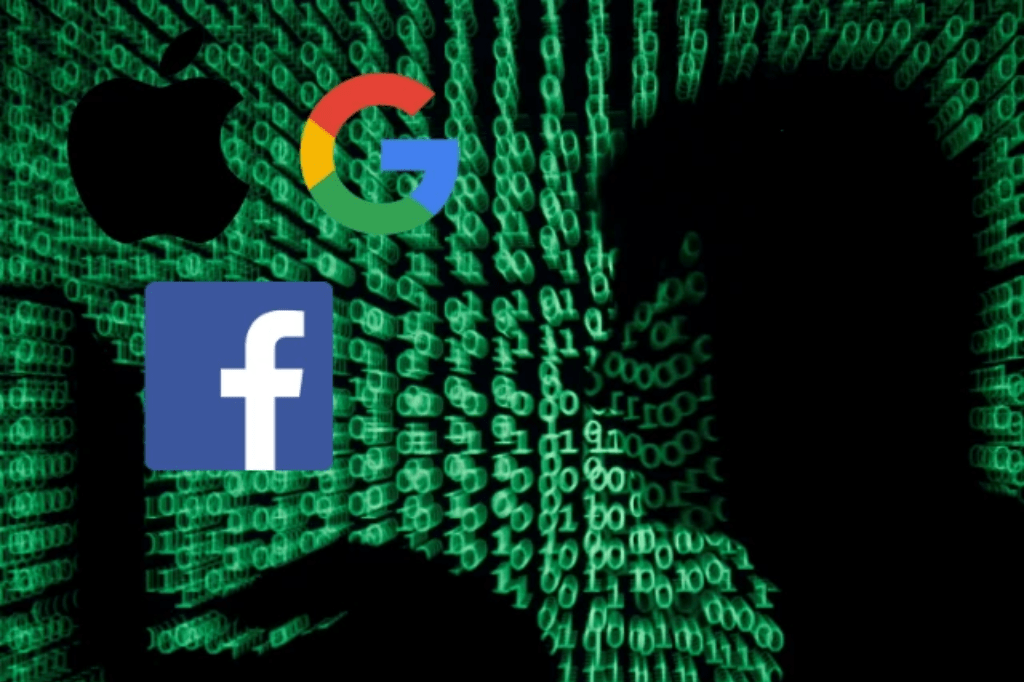
In one of the most serious security breaches identified to date, researchers found a total of over 16 billion exposed login information. The files across 30 databases include records from many of the largest platforms on the internet, such as online services for Apple, Google, Facebook, GitHub, Telegram and even various government portals.
This is not a standard old dataset dump! Security researchers noted that this data was fresh and collected using advanced infostealer malware through unprotected cloud storage. In other words… huge problem.
Let’s unpack what happened, what it means for you, and what protections you can take RIGHT NOW.
What Happened in this data breach?
Cybernews were able to analyze 30 exposed datasets, some of which exposed old and informed, and between 16 million – 3.5 billion records in each dataset. While 16 billion total, typed this alarming exposure into record numbers in the cyber realm workspace.
Much of this included emails, usernames, passwords, tokens, cookies and sometimes full URL links.
These credentials span and include social media, developer tools, corporate communications, cloud services and so on. Only one of the 30 databases called the “mysterious database” containing 184 million records, had been previously identified.
These are not old data from previous breaches. The data was born of and harvested recently, and is now available to threat actors on the web
How Were the Records Exposed?
Researchers suspect the records were collated through an infostealer. An infostealer is malware that infects a device (like a computer) and extracts whatever information it can, like password data, browser information, session tokens, and more.
These records were presumably stored in:
- Open Elasticsearch Databases
- Misconfigured cloud object storage.
- Internet-facing servers with bad permissions.
Although the records were only exposed briefly, they were live long enough for researchers to find them – but not long enough to be able to find the source or the owner of these records.
Who Is Affected?
Quite simply: Everyone.
With around 5.5 billion internet users, it is safe to say that you have an account among the 16 billion records. Especially if you use any of the following:
- Apple, Google, Facebook
- Telegram, GitHub, VPN
- Crypto exchanges or custodial wallets
- Any cloud-based platform or developer tool
Also, researchers were able to confirm that some records were tagged with origins, such as “Russian Federation’ and ‘Telegram’ thus ascertaining the type and purpose of the data collection.
Why Is This So Risky?
This breach is so much more risky than the average password data leaks because this includes:
- Fresh, active credentials
- Structured data (to identify URL + username + password combo)
- Session tokens and cookies (which can bypass logins)
This means the attackers can:
- Take over accounts instantly
- Launch highly tailored phishing
- Commit identity theft, wire fraud, and even ransomware attacks
For the crypto community, the risks are even greater. If your recovery phrases or wallet backups are saved in your cloud-linked accounts, they may now be exposed.
How to Determine Whether You’ve Been Affected
- Try HaveIBeenPwned.com
- Enter your email addresses to see if you’ve been involved in any known breaches.
- Check Dark Web Monitoring
- Some password managers offer that functionality, including 1Password, Keeper Security, or Bitwarden.
- Look for any breached notifications in your email inbox
Companies might begin to notify users affected by this incident.
How to Protect Yourself Going Forward?
You should act now, before anyone gets a hold of your credentials.
Here is what to do:
1. Change your passwords right away
- You should start with email accounts first, and then any financial platforms.
- Use strong, unique passwords for every service.
2. Set Up 2FA
- You could use an authenticator app such as Google Authenticator, Authy, or Duo.
- If offered, always prefer using the authenticator app over text message, to avoid any risk that comes with SIM-swapping.
3. Use a Password Manager
- Let Dashlane, LastPass, 1Password, or Bitwarden generate strong, random passwords for you!
- They also check your passwords for security breaches and if re-used.
4. Delete Old & Unused Accounts
- Old accounts are an easy route in for hackers to exploit.
- See JustDeleteMe for all the links and instructions to eliminate inactive profiles.
5. Don’t Store Recovery Phrases Online
Avoid having your seed phrases stored either in cloud services or in your email drafts, particularly if you are into crypto.
Implications for the Future of Cybersecurity
This is not just a wake-up call, it’s an air raid siren. It shows us that:
- Password based security is tenuous
- Unsecured cloud configurations form a gap in the defense
- Infostealers are expanding in puppetry and sophistication
Experts are recommending we migrate to passkeys – a password-less login method, that both Google and Apple now support, to lessen reliance on memorized credentials.
Conclusion: Don’t Wait Until It’s Too Late
The 16 billion record data breach highlights that we are not now living in a world of mass exploitation, we are living in a world of mass exploitation. Whether you are a casual user, crypto investor or business owner, your digital hygiene needs to be updated.
Get started by doing these three things immediately:
- Change the most consequential password you have
- Enable 2FA
- Sign up for breach notification
I know it feels like a lot, but don’t risk losing control of your online image – and possibly your bankroll.
Read about: Can a Narcissist Ever Change? What Psychology Really Says
 Xorvex
Leave a comment