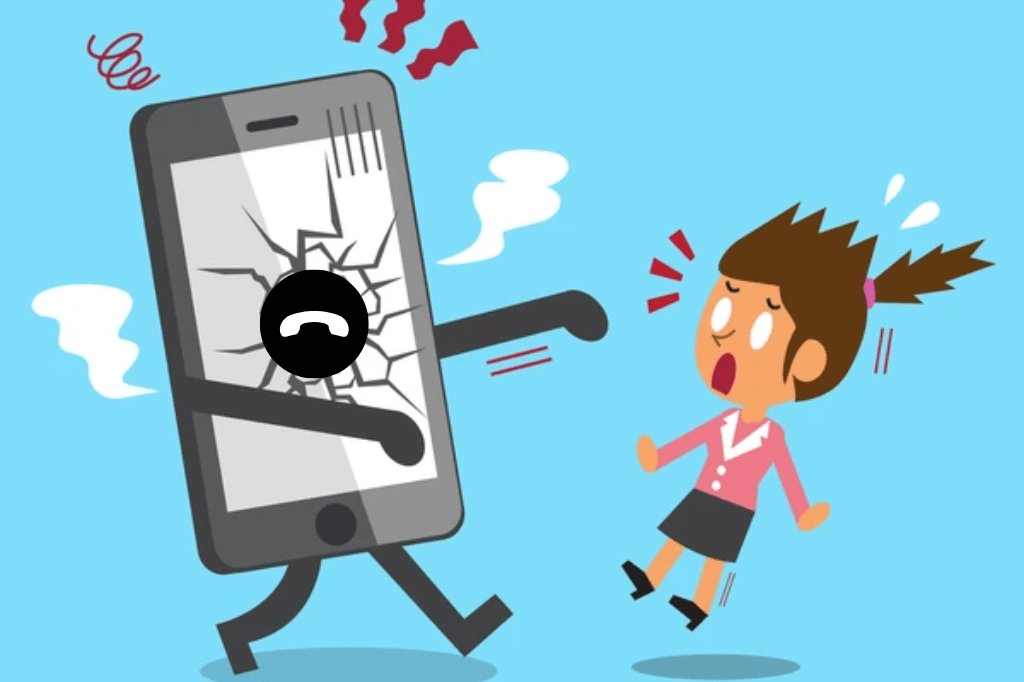
In the 20th century, a ringing phone typically meant opportunity, urgency, or connection. But today, for a large share of Gen Z, it indicates anxiety, disruption, and avoidance. While earlier generations associated voice calls with personal or professional points of contact, Gen Z is less inclined to even consider a voice call, for them, the call is becoming obsolete, and worse case, disrespectful.
This generational aversion to phone calls involves more than just preference. It indicates larger cultural, psychological, and technological changes. This blog explains why Gen Z is not into phone calls, but more interestingly, what it means about social interaction in the digital age.
Who Is Gen Z And Why Their Behavior is Important?
Gen Z refers to people born between 1997 and 2012. They are the first true digital natives, born into an environment that included the smartphone, broadband delivery of digital content, social media, and algorithmic influence.
This early exposure to:
- Social networking (Facebook, then Instagram, now TikTok)
- Instant messaging (Snapchat, WhatsApp, iMessage)
- User-generated content (YouTube, Twitch, Discord)
- Algorithmically personalized content
And has had a lasting impact on their cognitive, emotional, and social skills development.
The habits of Gen Z show us how future social norms, corporate culture, mental health, and technological innovation will continue to be shaped, and may suggest their reliance on communication.
Why Gen Z Hate Phone Calls?
Before we jump into the argument of “Gen Z is just lazy or awkward,” let’s take a deeper dive into the psychological, sociological, and environmental reasons behind their aversion to voice calls.
1. The Psychological Burden of Synchronous Communication
Phone calls are synchronous; each party involved must be present, present in the conversation, and pay attention cognitively to what is being said. In asynchronous communications such as texting, voice notes, and DMs, there is the gift of time. Time allows for consideration and thought towards communication.
Psychologically, synchronous communications:
- Force you into real time social performance
- Have limits on self-editing
- Put pressure on those with social anxiety (which is on the rise of Gen Z)
A study published by the American Psychological Association (APA) reports 91% of Gen Z adults report having at least one physical symptom or emotional symptom due to stress in the past year. When thinking through emotionally demanding situations like managing stress, the demand with the potential unpredictability of phone calls and needing information in real time can present as a burden of emotional labor.
2. Control, Boundaries, and Digital Consent
There are increasing expectations of agency with modern communication. Gen Z has established expectations of optionality, instead of forced participation. Texting offers the opportunity for:
- Curated presence (what to say and when)
- Non-urgent engagement (whether or not to engage or when)
- Boundaries for space
Phone calls, on the other hand, seem to break that unwritten social contract. Showing up to a person’s device is sometimes framed as a kind of digital aggression—especially when a simple “can I call?” text affords them agency (and time) to respond as they wish.
3. Sensory Overload and Cognitive Load Theory
Cognitive Load Theory tells us that our brains can only process so much information at once. Gen Z grows up amidst hyper-stimulation—it’s common to be using multiple tabs, listening to podcasts, and scrolling through notifications at the same time!
Phone calls demand that:
- You devote auditory processing exclusively to that communication
- You comprehend information rapidly
- You shut off all near-synonymous processes (thinking in your head)
This inherently makes calls cognitively taxing. If I am going to use a higher cognitive effort medium (phone) then I probably don’t want to use a lower cognitive effort medium (text, memes, voice notes, etc.) or a high-effort/small pay-off medium (phone).
4. Absence of Non-Verbal Cues in Voice-Only Communication
In a model often-cited by immobilary types, researcher Albert Mehrabian suggests that 55% of communication is through body language; 38% of communication is through tone of voice; and 7% communication is through spoken language. Phone conversations indisputably eliminate body posture, facial expressions, hand gestures, etc.—all that you have left is tone and content of your vocal script.
For a generation fluent in:
- reaction memes
- emojis
- stickers
- filters
- livestreams
the lack of any visual context can feel like emotionally flat content or potentially misrepresented. What is perplexing is that texting often feels much more richer to Gen Z because they have used a visual and symbolic language to express tonality and emotion.
5. Communication Preferences Are Learned Behaviors
Cultural anthropologist Edward T. Hall differentiated “high-context” and “low-context” communication cultures. While Gen Z, especially when informed by the internet, is a bit different, generally speaking, Gen Z tends to thrive in low-context environments (where everything is defined – either written or visual).
This is reinforced by:
- Short-form content (TikTok, Instagram Reels)
- Dialogue with emoji
- Hyper-defined memes and specific language codes
Conversing on the phone is dependent on tone, inference, and subtlety – skills that are not necessarily foundational to Gen Z’s trained modes of engagement.
6. Performance Anxiety in an Always-On Culture
Many Gen Zers have lived in a world where they have, and continue to be, video recorded, screenshotted, and observed. Even their social media posts are curated with a level of awareness that they may be judged, shared, or saved for later.
We all worry about being misinterpreted, misunderstood, or caught unaware. There are clear reasons why phone calls generate that level of anxiety:
- There are no backspace or delete
- Tone is more difficult to control
- There is no visible emotional context
- It’s a little more difficult to “proofread” in real-time
7. The Efficiency Paradigm: Text Is Simply Faster
Even without any emotional baggage, Gen Z’s digital existence trains students to prioritize speed and efficiency. Texting allows for:
- Quick multitasking
- Skimming, scanning, and summarizing
- Parallel conversation threads
A phone call is immediate, requires exclusivity, and feels like reading a novel instead of a newsfeed.
8. Tech Design Itself Has Discouraged Calling
The UX/UI of smartphones has made calling harder, too:
- The “call” button is harder to access than messaging
- Apps like Instagram and Snapchat don’t even have a call option displayed
- Almost every interaction is based on notifications, rather than dialing directly.
Design elements reinforced behaviors, instead of the other way around.
9. Mental Health and the Rise of “Digital Burnout”
Gen Z is always logged on, but indicates greater levels of burnout, disconnection, and overstimulation (which responds with more). They want to communicate in ways that:
- Respects their energy levels
- Doesn’t require constant alertness
- Minimizes confrontation and emotional intensity
Texting (or just silence) becomes a passive engagement, but calling feels too intimate, too urgent, and too much.
10. They Still Use Voice-Just Not In Traditional Ways
What’s interesting is that Gen Z doesn’t mind voice, they just dislike the traditional call. They use:
- Voice notes (audio recorded, replayable, nonintrusive)
- Facetime/Video chat (contextual, expressive)
- Discord voice rooms (nonchalant, opt-in)
It’s not about the voice, it’s about structure, timing, control.
Is This a Communication Crisis?
Absolutely not. We are evolving. We are not experiencing a communication breakdown, we are experiencing a shift in the meanings of connection, presence, and conversation.
As written correspondence was replaced by telephone conversations, and phone calls were replaced by emails, and texts, we are transitioning into a time of communication that is:
- More modular and on-demand
- Emotionally buffered
- Ingrained in a digital culture
And it’s not only Gen Z, but older generations are adjusting to these changes.
What This Means for Educators, Employers, and Families?
If you’re working with or want to interact with Gen Z:
- It is wrong to assume avoidance of phone calls means laziness or lack of respect
- Text them first to create comfort
- Use the communication platforms the prefer (like Slack, Discord, WhatsApp)
- Take asynchronous communication as an option: async video, async voice notes, shared documents
- Respect boundaries: not every conversation needs to be time sensitive or verbal
Conclusion
The decreasing prevalence of phone calls among Gen Z is not a signal of a rejection of communication—it is an indicator of how communication has changed. It indicates a generation who, in valuing mental health, emotional safety, digital boundaries, and efficiency, is reshaping the way we connect, express, and relate.
Understanding this is not just about staying in touch with trends—it is about evolution alongside a generation that is rapidly changing the landscape of communication.
So next time you go to pick up the phone to call a Gen Zer—maybe text them first. Not because they don’t want to talk to you—but because they want to be in control of how.
Read about: Why We Still Struggle to Talk About Mental Health?
 Xorvex
Leave a comment