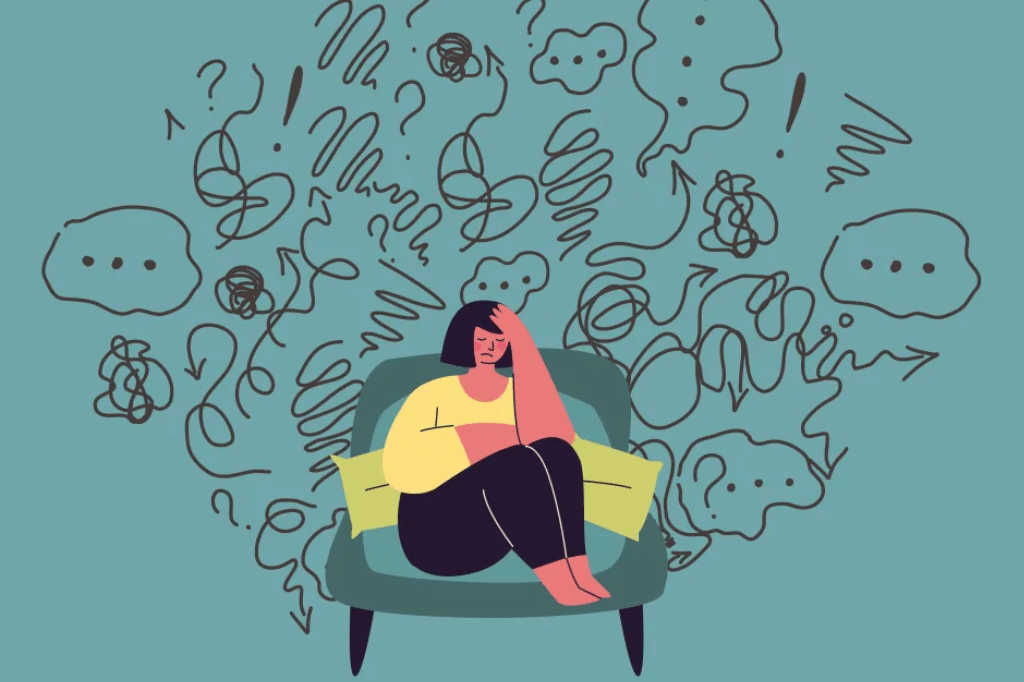
The topic of mental health has gained traction as one of the most discussed and studied topics in the 21st century. For good reason. As societies across the globe begin to acknowledge the importance of emotional well-being, it is crucial to answer a few important questions. What is mental health? Why is it crucial? And how does modern living — particularly social media — affect it? What can be done to protect and improve one’s mental well-being?
This blog will attempt to correspond some of the most asked questions regarding mental health with data, science, and societal context in hopes that the information will better help the reader understand themselves, and the people around them.
What Is Mental Health?
Mental health is the emotional, psychological, and social well-being of an individual. It influences how we think, feel and behave; how we handle stress, relate to others, and make choices. Mental health is important at every stage of life from childhood, adolescence, and into adulthood.
One common misconception is that mental health only matters to people that have mental illnesses. In fact, everyone has mental health; people just have different levels of mental health, the same way everyone has physical health.
A person might not have a diagnosable disorder and may still experience bad mental health or symptoms of bad mental health, such as chronic stress, burnout, or emotional numbness.
Why is Mental Health Important?
Good mental health is fundamental to our ability to thrive in our everyday lives. When our mental health isn’t functioning properly, our quality of life suffers. Bad mental health can:
- Affect relationships
- Reduce productivity
- Affect physical health
- Increase likelihood of substance use
- Lead to anxiety, depression or suicide
Mental health is also important for physical health, as chronic mental stress can contribute to high blood pressure, a weakened immune system, and a greater risk of heart disease. The mind and the body are interconnected, which is the reason why mental health is equally important to physical health – and must be treated as such.
When is Mental Health Awareness Month?
May is Mental Health Awareness Month in the U.S., a month dedicated to raising awareness of mental illness and to reducing the stigma surrounding mental illness. Mental Health Awareness Month was first observed in 1949, and is organized by organisations such as the National Alliance on Mental Illness (NAMI) and Mental Health America (MHA).
Some other significant observations include:
- World Mental Health Day – October 10
- Men’s Mental Health Month – Often occurs in June or November (dependent on the campaign)
- Women’s Mental Health Month – While not officially designated, often discussed in March during Women’s History Month
What Are The Effects of Social Media on Mental Health?
Social media has many benefits. It fosters understanding, connection to support, and self-expression. At the same time, it contributes to loneliness, anxiety, low self-worth, and depression, particularly problematic for adolescents and young adults.
Research indicates an association between excessive screen time and multiple factors of poor mental health. Some effects of excessive screen time include:
- Unrestful sleep
- Body dissatisfaction and perspective due to social comparison
- Missing out (FOMO)
- Being bullied (cyberbullying)
- Addiction-like behaviour
Social media’s role has shifted over time from being a connection tool facilitating community to a slippery slope to insecurity catalyzed by curated snapshots of others’ lives leading to unrealistic comparisons.
If you’re asking, “so, how does social media negatively affect mental health?” – it all has to do with emotional manipulation, distraction, and calibrating validation.
Is Depression a Mental Disorder? What About Anxiety or ADHD?
Yes. According to the DSM-5-TR (Diagnostic and Statistical Manual of Mental Disorders), typical mental health disorders include:
- Depressive Disorder
- Anxiety Disorders
- Bipolar Disorders
- ADHD (Attention-Deficit/Hyperactivity Disorder)
- Autism Spectrum Disorder (considered a neurodevelopmental disorder, overlaps mental health in terms of emotional regulation and social behaviour’s function)
- Anorexia and other eating disorders
There is over 200 mental health conditions people could be diagnosed with, all having its own symptoms and treatment plans. Being diagnosed is important.
What Are The Ways to Improve Your Mental Health?
Don’t assume that improving your mental health requires therapy or medication, although both can be beneficial. Small actions you take daily can make a huge difference.
- Balance Sleep – Sleeplessness creates irritability, mood swings, dissatisfaction, even hallucinations. Adults should aim for 7 to 9 hours of adequate sleep.
- Exercise – Physical activity produces endorphins, reduces stress hormones, and supports self-esteem.
- Get Outside – Being in nature is associated with lower anxiety, superior mood, and overall benefits to cognitive abilities.
- Limit Your Social Media Time – Be intentional about your social media usage, create boundaries, only follow positive accounts, and engage in digital detoxes.
- Write About It – Writing down your thoughts can make you clearer about how you feel, and lessen the tendency to ruminate.
- Talk It Out – Whether it is a friend, family member, or therapist talking to another human about how you feel can alleviate emotional burdens.
- Build Healthy Routines – Stable routines centered around consistent sleep, eating, and physical activity can provide emotional equilibrium.
Can Marriage Improve Mental Health?
Marriage and committed relationships provide companionship and emotional support. Research tells us married people have more positive mental health outcomes, compared to single, divorced, or widowed individuals.
However, marriage is only as good as the quality of the relationship. Toxic, emotionally abusive, and high-conflict relationships can erode mental health.
How Many People Struggle With Mental Health Issues?
According to the World Health Organisation, more than 1 in 8 people in the world have a mental disorder, and nearly 20% of adults are affected by mental illness in the U.S. each year. The pandemic, the growing economic instability, and increased access to digital media have exacerbated these statistics – leading some to call this a mental health crisis.
What Is A Mental Health Crisis?
A mental health crisis occurs when a person’s behaviour puts themselves or others at risk of harm, or a person is unable to care for themselves, or function in everyday life, due to overwhelming feelings of psychological distress. Examples include:
- Suicidal thoughts or attempts
- Self-injury or self-harm
- Extreme anxiety, panic attacks, or agitated behaviour
- Psychosis or delusions
- Crisis intervention and emergency assistance is imperative in these moments.
Does Medicare or Medicaid Cover Mental Health?
Yes. Medicare and Medicaid cover mental health services in the U.S., including therapy, psychiatric evaluations and medications in some cases. The coverage can vary by state and plan.
How To Be A Mental Counselor or Therapist?
If you are passionate about helping others, a mental health profession could be right for you. Here’s how.
- Earn a relevant degree (Psychology, Counseling, Social Work)
- Complete supervised clinical hours
- Pass licensing exams
- Get certified (e.g., Licensed Mental Health Counselor – LMHC)
- Pursue continuous education
You can choose to be professional in therapy, counseling, psychiatric nursing practitioner or as a clinician in an IOP (Intensive Outpatient Program).
Concerns about the Mental Health Care System
Seeking help is a challenge for many due to barriers such as:
- Long wait times
- Expensive treatment
- Insufficient insurance coverage
- Stigma
- No culturally-sensitive care
All these barriers represent needed areas of reform in the mental health system, increased funding, and a need for greater education.
Understanding the Role of Stigma in Mental Health
There have been improvements, but mental health is still stigmatized in many populations. The thought of being labeled “weak” or “crazy”, prevents people from asking for involved treatment.
Stigma exists due to:
- Lack of awareness
- Cultural taboos
- Misinformation
Education, conversations, and advocacy by celebrity figures are helping break the cycle of stigma.
Conclusion
Mentally well-being is a key component of our well-being and influences every part of our lives — how we think and feel, how we connect with others and how we manage challenges. While there has been increasing awareness around mental health (especially in May – Mental Health Month and October – World Mental Health Day), there are still many ways to continue to reduce stigma, increase access to care, and to improve our online and social environments.
Whether you are looking for help, supporting a loved one or working to develop your mental wellness – remember there is no end game. Mental wellness is a journey – like any journey, it deserves compassion, understanding, and the need for recognition and care every step of the way.
Read about: Why Your Oversharing Might Be a Trauma Response?
 Xorvex
Leave a comment