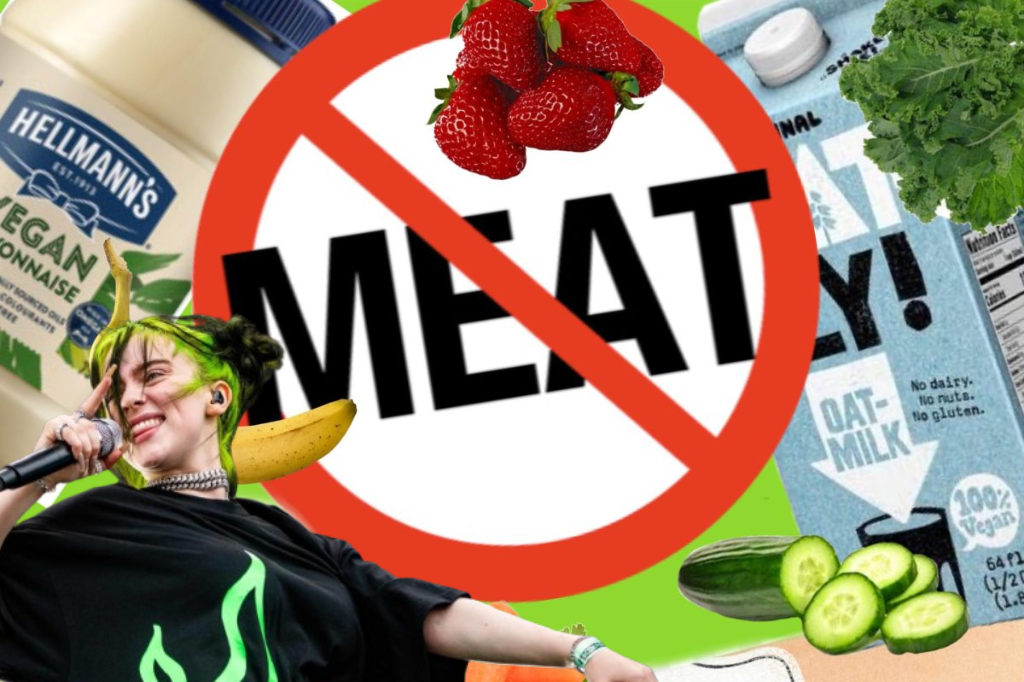
Not too long ago, being vegan was perceived as an outlandish way of living. Nowadays it is commonplace – appearing on fast food menus, clothing lines, social media influencer channels, and supermarket shelves alike. Search terms such as ‘are Oreos vegan’, ‘what is vegan leather’ and ‘what’s the difference between vegan and vegetarian’, indicate that interest is at an all-time high.
Yet, while the interest is high, there remains plenty of confusion as to what is and is not vegan. Is honey vegan? Can you eat bread when vegan? Does vegan mean healthy? This blog will respond to these questions and more, providing a fully developed understanding of veganism: its origin, what vegans eat, and why it matters – for your health, the planet, and animals.
What Does ‘Vegan’ Mean?
To be vegan is to refrain from any animal product, not just food, but clothing, cosmetics, and a way of living. This includes:
- Meat, poultry, fish
- Dairy, eggs, honey
- Leather, fur, wool, silk
Animal based ingredients, such as gelatin, carmine (derived from insects), casein (derived from milk), and isinglass (from fish).
It’s more than a diet, veganism is a philosophy of decreasing animal suffering and you being aware of your individual impact on the planet.
Vegan vs. Vegetarian: What’s the difference?
One of the most commonly asked questions is: what’s the difference between vegan and vegetarian?
Here is a straightforward answer: vegetarians do not eat meat and many still eat mots, some eat eggs, dairy, and sometimes consume honey. Vegans eliminate all animal-derived products including the things previously mentioned.
While both vegetarians and vegans avoid eating meat, vegans go even further than vegetarians by eliminating all animal exploitation, whether it is a slice of cheese or a wool sweater.
Where Did Veganism Come From?
Although “vegan” was coined by Donald Watson in the UK in 1944, avoiding animal products is not exactly new.
In India for example, many religions including Jainism and varieties of Hinduism discourage harming animals in any way for over 2000 years. While Buddhist monks in East Asia often adopt a plant based lifestyle guided by spiritual principles, Pythagoras and Plato did not advocate killing animals to further human causes.
Modern veganism presents a combination of ancient values married with modern ethics, environmental considerations, and nutritional science.
What is a Vegan Diet? What do Vegans Actually Eat?
Contrary to the stereotype belief that vegans eat “just salad” vegans do eat many delicious, filling, nutritious foods such as:
- Grains like brown rice, oats, barley, quinoa, and bread (without dairy, eggs, or honey)
- Legumes like chickpeas, lentils, black beans, and soy beans
- Fruits and vegetables in all forms—fresh, cooked, dried, juiced
- Nuts and seeds like almonds, chia, flax, and pumpkin seeds
- Tofu, tempeh, and seitan, which serve as meat substitutes
- Plant-based dairy like oat milk, almond milk, coconut yogurt, and cashew cheese
- Meat alternatives such as Beyond Meat, Impossible Burgers, jackfruit “pulled pork,” and lentil-based sausages
Many baked goods, cereals, pasta, soups, and even sweets are vegan or can be made vegan with minor substitutions.
Is a Vegan Diet Healthy?
A well-planned vegan diet can be very healthy. Studies consistently show that vegans have a lower risk of heart disease, obesity, hypertension, and certain cancer. Many report, “more energy,” “better digestion,” and “clearer skin.”
Nonetheless, plant-based eaters must pay attention to their diet. Here are nutrients to look after.
- Vitamin B12 – not found in plant food, so take a supplement or eat fortified foods
- Iron – lentils, beans, spinach (pair with foods rich in vitamin C for improved absorption.)
- Calcium – fortified plant milks, tofu, almonds, leafy greens
- Omega-3 fatty acids – found in flaxseeds, chia seeds, walnuts, algae oil
- Vitamin D – important for bone health; get it from the sun or supplements in winter.
Just because you are vegan, does not mean you are healthy. Just because potato chips and soda are vegan. The key is to eat whole, minimally processed foods most of the time.
Why Do People Go Vegan?
There are many significant reasons people go vegan:
- Animal rights – Factory farming is cruel. Animals kept in small enclosures, no room to turn, treated badly. Many vegans adopt the lifestyle to avoid supporting such practices.
- Environmental Issues – Livestock production is a huge source of greenhouse gas emissions, deforestation, and water pollution. Studies show that going vegan can reduce a person’s individual carbon footprint by as much as 73 percent.
- Health – A plant-based diet can reduce cholesterol, lower blood pressure, and improve insulin sensitivity. Many times, vegans find themselves losing weight with a dietary change to veganism, and are less likely to develop chronic diseases.
- Global Food Justice – Animal product production uses much more land, water, and food to grow than plant-based. A vegan world would make better use of land and feed more people in the world.
Are These Foods Vegan? (The Snack Edition)
Let’s answer some the most searched questions.
- Are Oreos vegan? Yes, technically—they have not animal ingredients. However, they are not certified vegan because of possible cross-contamination.
- Are Sour Patch Kids vegan? In most parts of the world, yes—but always check the label for gelatin or bone char sugar.
- Are marshmellows vegan? Regular marshmellows are not vegan because they have gelatin in them. There are vegan marshmellows out there which are generally made with agar-agar or pectin.
- Are Skittles vegan? Yes, in the U.S. version of Skittles-they removed all gelatin and carmine.
- Are donuts vegan? Most don’t make vegan donuts without egg or milk, but more and more bakeries make these options.
- Are bagels vegan? Many bagels are vegan, but be cautious of added dairy (like milk powder or honey glaze).
- Is pasta vegan? Most dry pasta is vegan; however, fresh pasta (like tortellini) has eggs.
- Is bread vegan? Most bread is vegan; some bread may have butter or milk or honey, however.
- Is chocolate vegan? Dark chocolate is often vegan. Just check if there is any milk solids or butterfat.
Surprising Non-Vegan Ingredients to Look Out For
There are some animal derived ingredients hiding in everyday food:
- Gelatin – derived from the bones of animals used in jellies, marshmallows, and some candies.
- Carmine – red coloring derived from crushed beetles.
- Casein – a milk protein used as a filler in processed foods.
- Lard – a pig fat found in some traditional baked goods.
- Whey – a byproduct of cheese.
So always, always, check the label especially on things you expect to be plant-based.
Is Sugar Vegan?
Not necessarily! What a surprise! Some US sugar manufacturers use bone char as a filter for white sugar, and bone char IS from animal bones!
To be on the safe side look for:
- Organic sugar
- Sugar with a “vegan” label
- Unrefined sugar or turbinado sugar or coconut sugar
What is Vegan Leather?
Vegan Leather is an alternative to animal leather and provides a cruelty free alternative for those who don’t want to wear animals. Vegan leather can be made from:
- Polyurethane (PU) or PVC
- Pineapple leaves (Piñatex)
- Mushrooms (Mylo)
- Cactus or cork
- Apple peels
Many brands are switching to these options in an effort to lessen their impact on the planet. Are you wondering how to clean vegan leather? Just wipe it with a soft cloth, mild soap, and water—you will find caring for vegan leather skins much easier than caring for animal hide.
Can Dogs be Vegan?
This is a controversial topic. Dogs are omnivores, they can theoretically survive on a veterinarian formulated vegan diet as long as it provided a full spectrum of nutrition. However, not all dogs will thrive on it, and some breeds may need careful planning to thrive on it.
Cats are obligate carnivores and cannot safely be vegan without serious health risks. It’s best to not push your pets into a vegan diet.
How to Start Being Vegan
The good news is that being vegan can start as gradually as you’d like. If you are in control, it won’t involve something that is immensely stressful.
- Start Small – Start by gradually increasing how many meals are vegan by having one a day to start.
- Plant Based Substitutes – Use plant based alternatives available, such as oat milk, tofu, or a vegan butter/margarine.
- Plan & Prepare Meals – Meal prep you meals and snacks well in advance, as having your food prepared will make it easier to avoid convenience foods.
- Explore Vegan-friendly Cuisines – Flour, corn, and grain based cultures will have many vegan options. Try Indian, Mediterranean, Ethiopian, and Thai.
- Reading Ingredient Labels – You will get well versed in finding and accurately identifying hidden animal products.
- Be in contact – There are a lot of vegan communities you can connect with and gain knowledge from to set yourself up for success, and it will feel great getting tips and encouragement from other vegans.
This is not about being perfect. Veganism is a journey, not a competition.
Vegan Celebrities
Are you wondering who some vegans are? Here are some examples:
- Ariana Grande – Vegan for animal rights
- Billie Eilish – Ethical and environmental reasons
- Lewis Hamilton – Health, performance, and ethics
- Natalie Portman – Vegan since childhood
- Tom Brady – Follows a mostly plant-based diet
Conclusion: Why Veganism is Important.
Veganism is lifestyle choice, not just a food choice. It’s an opportunity for conscious living. For living in alignment with your value of doing less harm, eating more mindfully, and promoting a more sustainable world, and a more ethical world.
Whether you are exploring it for your health, the environment, or the animals, your efforts are appreciated and add up. Even if it is just making a dent in your consumption of animal products.
So the next time someone asks you, “What is a vegan?”, or “Are Oreos vegan?”, you won’t just have the answers—you will have the context, and the reasoning and the hindsight ask of why it even matters.
Read about: How and Why Dinosaurs Went Extinct: The Fall of Earth’s Greatest Giants
 Xorvex
Leave a comment