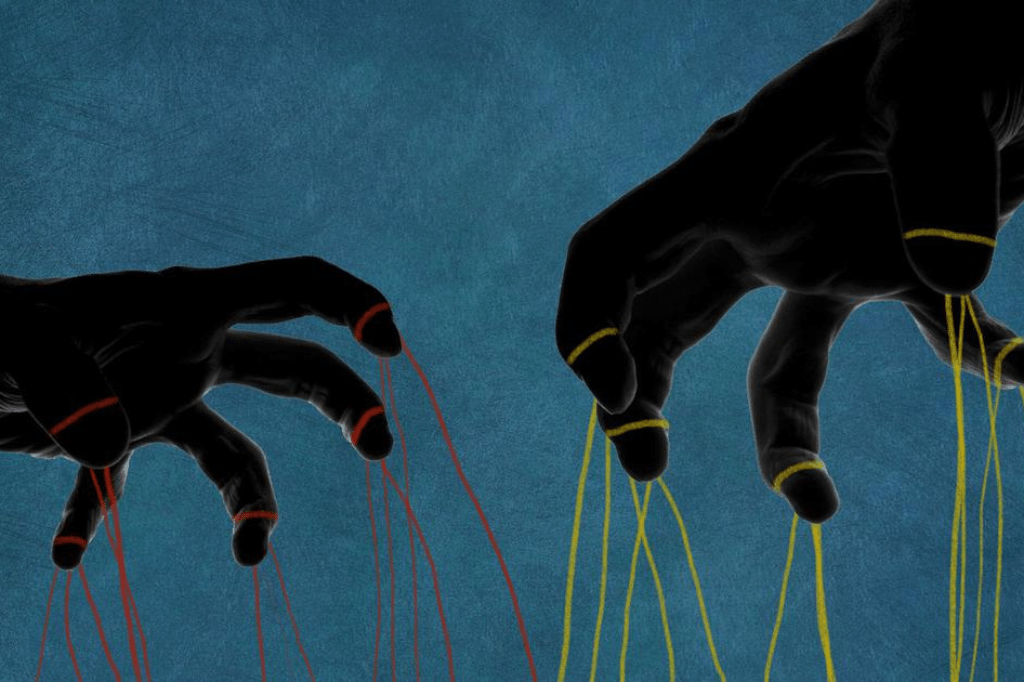
Nowadays the distinction between truth and manipulation is more difficult than ever because of the insatiable flow of information. But to analyze how we’re being manipulated today, we first need to ask: what is propaganda? In its most basic form propaganda is a type of communication meant to influence an audience’s attitude or perception to promote a cause, a position or agenda by using selective facts, emotional appeals or dubious narratives.
Traditionally propaganda has been used to dirty the mud of wars and political debate. Now it’s taken on a digital form and reaches you in the form of memes, reels, tweets and everyday search results. So, what does the term propaganda mean in our hyperconnected context? Let’s find out.
What Is Propaganda’s Definition?
The classic definition of propaganda is “information, especially of a biased or misleading nature, used to promote a political cause or point of view.” Propaganda very often relies on emotion not reason and uses repetition, symbolism or fear-based messaging.
Some historical examples of propaganda would include:
- Nazi propaganda, which depicted Jews as enemies of the state of Germany through the use of films and posters, was initiated by Adolph Hitler’s minister of propaganda, Joseph Goebbels.
- Stalin’s propaganda created a political persona as the paternal figure of the state and a heroic figure in the minds of his supporters.
- During World War II in the U.S., citizens were encouraged to buy war bonds and support the war effort through propaganda posters.
But in the digital age, propaganda is not simply posters or speeches. It is now algorithmic, instantaneous, and much more personalized.
What are the Common Propaganda Techniques in the Digital Age?
Some old school type of propaganda techniques continue to be applicable:
- Card Stacking: Showing just one side of the story
- Bandwagon: Getting you to join the “winning” side
- Transfer: Associating a message with something or someone that is respected (like using a flag or religion).
- Plain Folks: Making the propagandist seem like an “average person”.
- Fear Appeals: Playing with your anxiety when making decisions.
Knowing how to recognize propaganda is the first step in preventing it.
How to Spot and Resist Digital Propaganda?
- Ask Questions: What is the source? Who’s gonna benefit from this message?
- Check Emotions: Did you feel angry, scared, or overly patriotic? Run!
- Cross Verify Facts: Try neutral sites like Snopes or Media Bias/Fact Check.
- Learn History: When we appreciate how propaganda worked in WW1, WW2, or the actions of leaders such as Stalin and Hitler, we can better recognize it as a reoccurring cycle.
By questioning, verifying, and learning from history, you become harder to manipulate. Propaganda loses power when you pause, think critically, and seek the full picture.
A Brief History of Propaganda
Before diving into how propaganda works today, it is important to ask: what is the history of propaganda? Propaganda dates back thousands of years—from religious scriptures to political declarations. However, in the 20th century, the modern usage of the term skyrocketed:
- World War I and II propaganda saw countries like Britain, Germany, and the U.S. using emotional imagery and slogans to invoke public sentiment and garner support.
- Propaganda in the Cold War used communication modes to help shape and divide ideologies between communism and capitalism.
- Some scholars have even considered cultural artifacts like Shakespeare’s Macbeth to be royalist propaganda.
Digital Propaganda: The New Battlefield
So, how does propaganda work today? Here is the twist: it is faster, more subtle, and far more personalized.
1. Social Media Algorithms as Propaganda Machine
We know that social media platforms like Facebook, Instagram, and X (formerly known as Twitter) can serve content that we have previously engaged with. Social media algorithms are designed to promote increasingly emotionally driven content to the top of users’ feeds about their interests, patriotism, outrage, and fear. Algorithms reward the posts that gather the most clicks, even though they don’t have necessarily have to be true.
2. Meme and Misinformation
A basic meme can share propaganda messages without needing text. This is one reason Nashville had incel propaganda, conspiracy theories, and political trolling rampant on platforms like Reddit and Telegram.
3. Digital Nationalism
Visual nationalism has found its way into the global economy as our previously offline lives bleed into our digital existences. From the American flag used in propaganda, to viral pro-government content in both Russia and China, visual republicanism and nationalism have gone digital.
4. Influencer Endorsements as “Testimonial Propaganda”
When influencers or celebrities promote ideologies, whether their intent or not, they are participating in what is called testimonial propaganda. One reason being that obvious celebrity endorsement of a government policy can subconsciously sway public perception.
Read more: Is Hate Speech Being Masked as Freedom of Speech?
Modern Examples: Is It News or Propaganda?
1. TikTok and Soft Propaganda from China
As the social media platform, TikTok, owned by the Chinese company ByteDance, has been criticized for suppressing media that is deemed “anti-China” or “unfavorable to China” while trading positive portrayals of Chinese culture, cities, and government enterprises (and staging positive portrayals of coerced or manipulated user-generated content – UGC).
The creators who are state-affiliated (also referred to as “white glove influencer”) are sponsored on trips to Chinese cities, where they promote the infrastructure, safety, culture, the state, etc., without ever mentioning censorship, repression in Tibet or Xinjiang, and/or the Han-sponsored campaign to eliminate Uyghur identity. This is referred to as “positive propaganda,” to slowly encourage a shift in foreign-based perceptions of China: a re-framing of China as a modern, peaceful participant in global power.
2. Israel-Palestinian Conflict: Social Media to Spread Propaganda
In the ongoing conflict between Israel and Palestine, both sides have used social media as a tool for global influence. Israel has used state-sponsored campaigns to share footage of Hamas attacks, while Palestinian activists post raw footage of civilian deaths and destruction in Gaza.
While some of these posts show reality, both sides also manipulate clips, repurpose old footage, or remove context to sway international opinion. TikTok, Instagram, and X (Twitter) become real-time propaganda tools, shaping not just how people view the war, but who they support.
3. “State-Affiliated Media” on X (Formerly Twitter)
Since Elon Musk’s takeover of Twitter, there has been a surge of debate about what constitutes propaganda. Prior to this, Twitter labeled state media accounts from China, Russia, and Iran as “state-affiliated media”, in a transparent decision that allowed users of mutual respect to understand that the account may have bias.
But after eliminating those labels in 2023, these acccounts now loom in the mainstream conversation. Their disinformation continues to spread, including narratives that bolster authoritarian regimes or denigrate Western institutions– and users have no understanding that they are consuming information from a government or state-affiliated account.
4. AI-Generated Fake News Videos
As Deepfake technology has developed, countries such as North Korea and pro-Russian organizations now produce fake news segments using AI and fake news anchors. In 2024, a number of fake news segments with synthetic, English speaking news anchors gushing about authoritarian policies became popularized in the media.
These clips were intentionally crafted to look like a Western style of newscast, with neutral tones, and realistic animations that could only be differentiated from journalism upon close examination.
5. Religious Propaganda: Selective Narratives and Digital Silence
In some contemporary Islamic social media pages and eco-systems, religious propaganda is able to flourish through systems of selective outrage, historical sanitisation and lack of critique of colleague extremism, or contemporary global themes in connection with radical elements.
- One-sided outrage: Highlighting Muslim suffering globally but staying silent on events like the UK grooming gang scandals or attacks by Islamist extremists.
- Victim-only framing: Using conflict imagery (e.g., Palestine, CAA protests) and emotionally charged content to evoke anger and fear about other religious communities (especially Hindus, Jews, and Westerners), often cherry-picking global incidents without full context.
- Demonizing others: Painting Hindus, Jews, or Western societies as oppressors while denying or downplaying religious intolerance from within.
- Historical revisionism: Glorifying rulers like Aurangzeb or Babur while ignoring records of forced conversions and temple destruction, forced conversions, or religious persecution. in India.
Is It Propaganda or Not?
Here’s the twist: Propaganda doesn’t always lie, it frames.
- It chooses which facts to highlight and which to leave out.
- It uses symbols, language, and repetition to bypass logic and target emotion.
- It rewards simplicity over complexity and loyalty over questioning.
In this way, the modern digital landscape is filled with content that may not seem like propaganda—but functions just like it.
FAQs
How did propaganda help Hitler to come to power?
Propaganda helped to get Hitler to power because it spread nationalistic, anti-Semitic, and fear messages. Using posters, speeches, films, and rallies, the Nazi Party influenced public opinion, blamed Jews and communists for Germany’s problems, and built Hitler’s portrayal of being Germany’s saviour.
Which definition is the best example/illustration of the bandwagon propaganda technique?
The bandwagon propaganda technique can persuade people to think or behave a particular way, simply because, “everyone else is doing it”. This technique exploits the fear of missing out (FOMO) based on the idea that if you do not join in, then you will miss out or are wrong.
What is incel propaganda?
Incel propaganda is online content that disseminates toxic beliefs about women, dating, and society. This content distorts women’s images as the enemy, blaming them for men’s loneliness while promoting feelings of victimhood, resentment, and sometimes violence among men who identify as “involuntarily celibate”.
Is propaganda illegal?
Propaganda in itself is not illegal. However, when propaganda consists of hate speech, incites violence, promotes dangerous misinformation, or defames individuals or groups, it can be regarded as illegal depending on the laws of a country.
Conclusion
Propaganda in the digital age is more powerful—and more subtle—than ever before. From historical regimes like Hitler’s to contemporary meme pages, political influencers, and online communities, propaganda runs through the veins of how people think, feel, and act, often without realizing.
Whether it’s an incel forum furthering a toxic narrative, government information framed as selective truths or viral bandwagon trends that are marketed to mold public opinion, it is manipulation masked as information that is harmful. Awareness is the best defense. Asking questions, fact-checking, and recognizing emotional triggers enable people to distance themselves from being pawns in someone else’s agenda.
Read about: Is Your Hyper-Independence a Hidden Trauma Response?
 Xorvex
Leave a comment