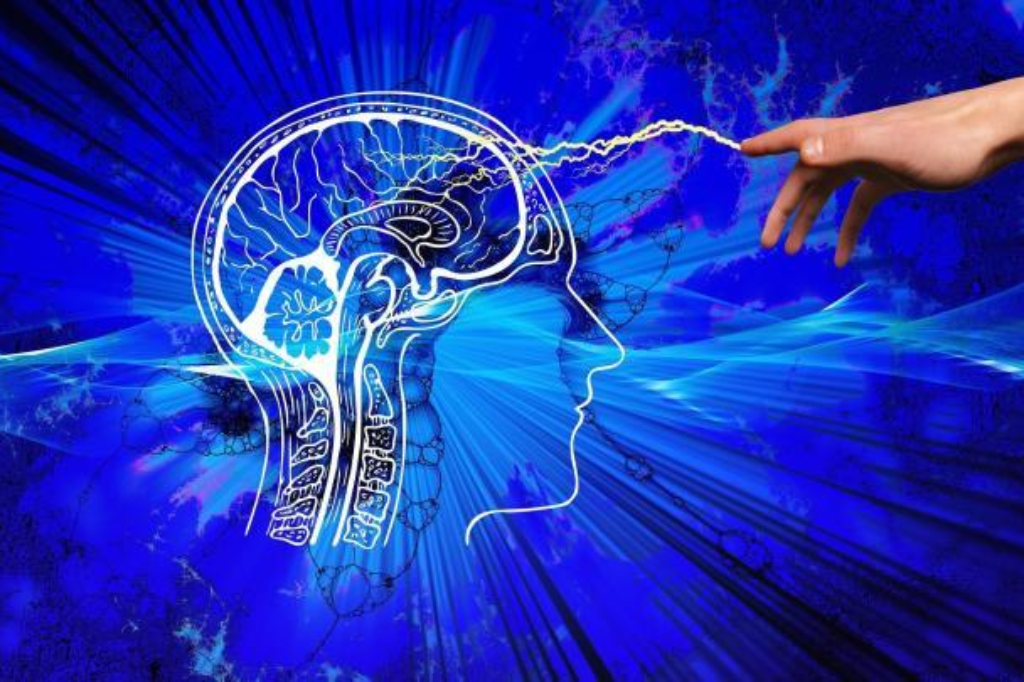
Almost everyone has experienced déjà vu at one time or another in life. You’re talking to someone, walking in a brand-new place, or doing an activity—and then it hits you, a strange, evasive feeling that you’ve been in that moment before. But you know for sure it’s your first time. That strange and hilarious feeling is called déjà vu—it can be expressed well in a study setting, scientists, psychologists, spiritual thinkers, and normal people have been curious about it for centuries.
But what is déjà vu? Just some weird brain twitch? A message from the universe? A hint that we’ve lived a past life? Or an indication of something more serious? Let’s investigate very thoroughly what déjà vu is all about, what it is made of, and why it has happened, while breaking down the science, psychology, and folklore of one of the best tricks of the mind.
What Is Deja Vu?
The literal translation of “déjà vu” from the French is “already seen.” In English, deja vu refers to the psychological phenomenon in which a person feels that he or she has experienced the present situation before, even though there is absolutely no way he or she could have done so. The sensation is quite familiar, but you know logically you have not been here and did not have this exact conversation.
Key Characteristics:
- Sudden feeling of familiarity
- No actual memory tied to the moment
- Lasts only a few seconds
- Often emotionally neutral or slightly eerie
This experience is very common. In fact, 60%–80% of people report experiencing déjà vu at least once in their lifetime.
What Is the Meaning of Deja Vu in Psychology?
In the field of psychology, déjà vu is defined as a memory illusion, where your brain is mistakenly interpreting a current experience as one that has already occurred. It is not a true memory, yet it feels true because your brain is temporarily misfiring on familiarity and recognition. What is interesting is the specific and vivid way it feels. Occasionally people report being able to predict the next few seconds in a déjà vu moment, although this is almost always anecdotal.
The phenomenon has been documented across cultures and ages, however, it seems to occur with greater frequency amongst young adults, in particular 15-25 years old. Perhaps that is because they are creating and sorting new memories with greater regularity, which may overlap or merge with memory pathways.
What Causes Deja Vu?
Although the experience of déjà vu is common, scientists have yet to agree on its cause. There are a number of theories, many of which suggest temporary glitches in the brain’s memory systems.
While there’s no single proven cause, scientists and psychologists have proposed several compelling theories:
| Theory | Explanation |
|---|---|
| Dual Processing Delay | Sensory input takes slightly different neural paths; if one path is delayed, the brain interprets the same moment twice. |
| Memory Overlap | Current scenes resemble old memories that are partially forgotten, leading to an unconscious recognition. |
| Temporal Lobe Activation | Small electrical misfires in the brain (especially the temporal lobe) mimic memory recall. |
| Attentional Distraction | You experience something while distracted, then focus again—your brain mistakenly codes it as a memory. |
| Information Mismatch | Your brain processes the moment as both “new” and “familiar” due to minor memory glitches. |
Why Does Deja Vu Happen?
There are certain factors that will make déjà vu more likely to happen. Although it can happen randomly, certain cognitive and emotive states can increase the probability:
Possible Triggers
- Stress or mental fatigue
- Multitasking or overstimulated cognitive load
- Sleep deprivation
- Higher emotional reactivity
- Familiarized environments or layouts
- Traveling to new surroundings that are reminiscent of the old
Those who have vivid imaginations, or who consume a large amount of media (films, games, books, etc) may also experience déjà vu more often because of sometimes overlapping mental images.
How Does Deja Vu Work?
To establish an understanding of how déjà vu works, we must understand how the brain processes our memories.
Brain functions that are involved:
- Hippocampus: Long-term memory storage and retrieval
- Temporal lobe: Auditory signals and recognition
- Prefrontal cortex: Attention and Decision making
At times they don’t work together perfectly. In other words, the brain can store a present moment into long-term memory too soon, which can cause the moment to feel like a memory, when it’s actually a present or new experience.
The brain misfiring into memory processing can illustrate why our new moment feels familiar.
Is Deja Vu a Seizure?
Most experiences of deja vu are benign, but there are some rare cases that trigger a warning, especially if you are a person with temporal lobe epilepsy.
Signs it may be medical:
- Déjà vu happening frequently (multiple times per week)
- There is confusion, nausea, or loss of awareness
- There are strange smells or sounds
If this sounds familiar, contact a neurologist.
What Does Déjà Vu Mean Spiritually?
Science considers déjà vu a memory issue, but many people offer spiritual interpretations that vary across backgrounds:
Some Common Spiritual Interpretations:
- A sign that one is on the right track
- A glimpse into past lives
- Reincarnation proof
- A signal that one is aligned with their higher self/intention
While these beliefs do not have scientific backing, they can still resonate with people who have déjà vu during intense emotional moments or pivotal experiences.
What Are the Types of Déjà Vu?
There are three main types of déjà vu experiences, each targeting a different sense or type of recall:
| Type | Description | Experience |
|---|---|---|
| Déjà vécu (“already lived”) | Most common | Feeling like you’ve lived through the exact same situation |
| Déjà senti (“already felt”) | Emotion-based | Feeling like you’ve had this emotional state before |
| Déjà entendu (“already heard”) | Auditory-based | Hearing something and feeling like you’ve heard it before |
There’s also jamais vu (“never seen”), the opposite of déjà vu, where something familiar feels completely unfamiliar for a moment.
What Does Déjà Vu Feel Like?
It typically feels like:
- A brief, intense feeling of familiarity
- A feeling of “knowing” what is next
- A feeling of confusion or disorientation
- An urge to say, “This has happened before.”
Some will feel excited, others disoriented. Regardless, the feeling goes rapidly.
Why Do I Usually Get Deja Vu?
Occasional déjà vu is normal, but frequent déjà vu may be caused by:
- High levels of stress or anxiety
- Fatigue in memory, or memory overload
- Same or repetitive environments
- Minor neurological misfiring
- Too much multitasking, or being multitasked by others
If déjà vu occurs frequently (e.g. every week), and is accompanied by cognitive issues like confusion, blackouts, or shifts in mood, it may be advisable to check in with a medical professional.
Is DejaVu Common in Young People?
Yes, déjà vu happens most often between about ages 15 and 25. Younger persons have a more plastic brains that really forming anterior connections so the brain is in a higher state of autonomous and memory-based misfires, it also tends to occur more with those that:
- Frequently reading or writing
- Frequent travel
- Experience vivid dreams
- Have active imaginations
After about age 40, there are significantly fewer reports of déjà vu occurrences.
Deja Vu in Pop Culture
Déjà Vu is not merely a psychological word, it is also grossly used in entertainment and media.
Some popular mentions:
- Deja Vu” by Olivia Rodrigo – A song about emotional repetition in relationships
- “Déjà Vu” (2006 film) – A sci-fi thriller exploring time travel
- The Matrix (1999) – “Déjà vu” as a glitch in the system
- Common in lyrics, movies, and books involving fate or time loops
These pop references have helped normalize and popularize the experience in younger audiences.
Can I Use Deja Vu in My Med School Application?
Definitely— if it is considered metaphorically or scientifically. Just to highlight a few examples, you might associate déjà vu with:
- How memory is processed by the brain
- Your obsessions with neurology
- The value of perception when diagnosing clinically
Make it clear that you don’t intend for this to sound mystical; instead consider how déjà vu reveals our brains unique complexities.
FAQs
| Question | Answer |
|---|---|
| What language is déjà vu? | French |
| Is déjà vu one or two words? | Two words: “déjà” and “vu” |
| How do you spell déjà vu? | With accents: d-é-j-à v-u |
| Is déjà vu bad? | Not unless it’s frequent or paired with symptoms |
| Can stress cause déjà vu? | Yes, stress can increase mental processing errors |
| Is déjà vu a warning sign? | Sometimes, especially in epilepsy—see a doctor if concerned |
Conclusion: What is the point of Déjà vu?
Fundamentally, déjà vu is just a temporary cognitive slip in our brain—a glitch in our brain’s incredibly complicated way of storing and recognizing memory attributes. This probably sounds mystical or science-fictiony but the “magic” of déjà vu is that it points to some of the complexity and imperfections of our brain.
For most people, déjà vu is just an odd, yet memorable, moment in the day. For scientists and psychologists, it is a guide to how we perceive the world. And for a more spiritually inclined mind, it may suggest that our reality is layered and does not comply with our sense of perception, relative to a greater understanding of our world.
Read about: What is “Goblin Mode” and Why Do People Love it?
 Xorvex
Leave a comment