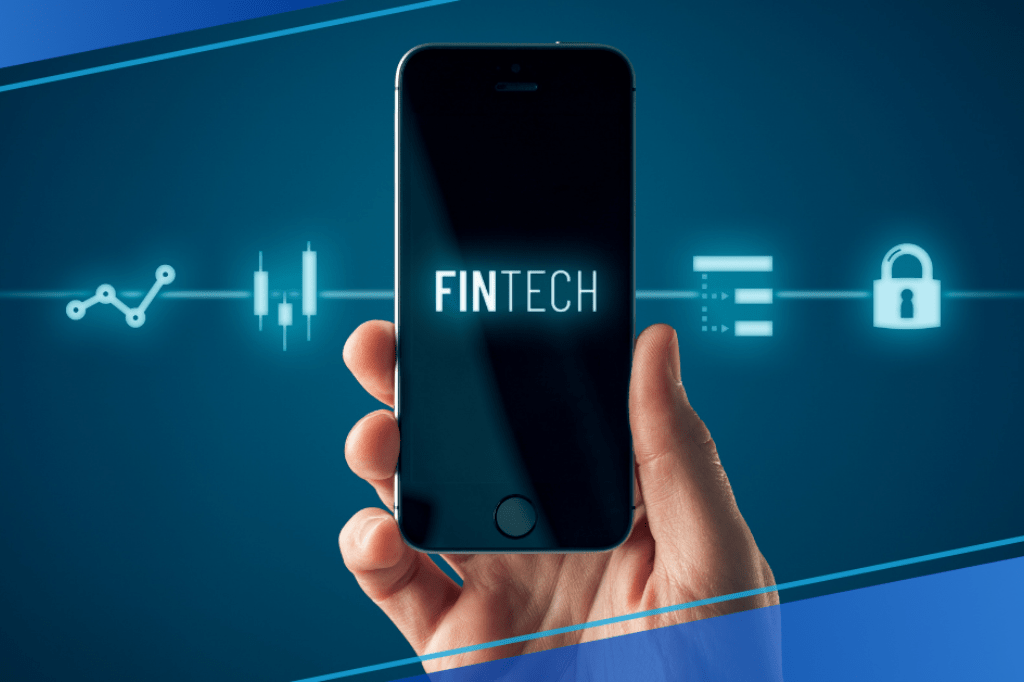
Over the past few years, one word has been hitting the disrupt button on traditional finance, changing the way we bank, invest, and manage money—fintech.
But, what is fintech? Why is it growing so rapidly? And what does it mean for consumers, startups, and the financial industry? Let’s take a closer look.
What is Fintech?
Let’s start with the simple definition: fintech is short for financial technology and refers to technology-based solutions that improve and automate the delivery and use of financial services. These solutions include everything from digital payments and online banking to robo-advisors, peer-to-peer lending companies and blockchain technology.
If you have ever used apps like PayPal, Venmo, Revolut, Chime, or even bought crypto on Coinbase; you have been using fintech.
What is the Fintech Industry?
The fintech industry covers a wide range of companies and technologies all designed to make financial services more efficient, secure, and accessible and user-friendly. These companies also use proprietary software, artificial intelligence (AI), machine learning, and big data to create modern financial tools that either compete with or support traditional banking practices.
Some of the key areas within fintech include:
- Digital banking
- Payment and bill pay apps and gateways
- Investment and wealth tech
- Lending platforms
- Insurtech (insurance tech)
- Regtech (regulatory technology)
- Cryptocurrency and blockchain
What Are Fintech Companies?
A fintech company is a company that uses technology to provide financial services. They may be disruptive startups or established traditional financial institutions adding digital channels for delivery and or transactions.
Examples of some well-known fintech companies include:
Stripe (payments)
Robinhood (investing)
Square/Block (POS systems and payments)
Plaid (financial data infrastructure)
Chime (digital banking)
SoFi (lending and personal finance)
What is Driving Fintech Growth?
There are four main drivers of growth of fintech:
- Digital First Generation – Millennials and Gen Z are digital natives. Having grown up with access to technology, they expect seamless digital experiences, including in banking & finance. Fintech is effectively servicing this generation with user friendly mobile apps, real time experiences, and personalized offerings.
- Pandemic – COVID-19 has changed everything. Individuals were avoiding physical branches and turning to online services. Fintech usage exploded during the pandemic and has only continued, with contactless payment, online loan approvals, and app-based banking becoming the expectation.
- Access – Fintech is providing unbanked and underbanked communities with access to financial products that traditional financial institutions could not provide. The use of mobile wallets, microloans, and low-fee accounts are ultimately providing much better access to financial service options.
- Innovation & Agility – Unlike traditional banks that are mired in a world of legacy systems, fintech startups are not, and can innovate rapidly, quickly scale, and continually respond to consumer demands, which is attractive to consumers and investors alike.
- Investment Boom – The fintech ecosystem has received an unprecedented level of investment. The global investment in fintech exceeded $210 billion in 2021, and there are more fintech unicorns (companies worth $1 billion or more) being created every day. This investment will allow for more evolution and innovation.
- Growth of Embedded Finance – Fintech is no longer just stand-alone applications. Non-financial institutions (e.g., e-commerce, ride-sharing) are embedding financial services in their own business and technology platforms. For example, websites with “Buy Now Pay Later” (BNPL) options at their checkout experience, or gig workers receiving immediate payouts.
What Is The Importance of Fintech in Finance?
Fintech will transform finance from the bottom up in the following ways:
- Efficiency: Automates processes in a way that reduces costs and few human errors.
- Accessibility: Financial services will be accessible 24/7 and from anywhere in the world.
- Personalization: AI can personalize the user’s experience in real-time based on behavior.
- Transparency: New banking system technologies using real-time data and open bank tools makes for clarity.
- Safety: New technologies like biometric verification and blockchain are all safer.
Whether you are a consumer looking to enhance your personal finance experience or a business looking for effortless payment solutions, fintech has changed the way we do things.
How to Start a Fintech Company in the EU?
To start your fintech company in the EU here are some steps to consider:
- Market Research: Understand the financial problem you are trying to solve.
- Regulatory compliance: Get licensed (PDS2) and make sure you have regulatory compliance with GDPR, KYC, and AML regulations.
- Technology infrastructure: Build a secure and scalable tech architecture using APIs and the cloud.
- Funding: Seek angel investors, VCs or crowdfunding.
- Talent: Hire software engineers, compliance officers, and marketers with expertise in fintech.
- Go to market: Start simple, test, iterate, and then scale appropriately.
Fintech hot spots in Europe include Berlin, Amsterdam, Stockholm, and London (which has changed with Brexit).
Who Leads in Expense Management in Fintech?
There are a number of companies innovating in the expense management space:
- Brex – Offers a corporate card, as well as an expense tracking functionality, geared towards start-ups.
- Ramp – A supplier and transaction management platform focusing on savings and automation of the reconciliation process.
- Divvy – Offers budgeting tools alongside expense management features.
These platforms empower businesses to manage spending, automates their reconciliation process, and builds better visibility into the financials.
What Does Fintech Mean for Banks?
Fintech is both a threat to banks and a driver of change.
Many traditional banking practices are being disrupted as a result of fintech, and some banks are shifting towards collaboration rather than competition. Banks are:
- Partnering or co-locating with fintechs
- Launching and scaling their own digital banking products
- Sprouting up in house innovation labs
Formatting these action lead to a more digitized and customer focused financial ecosystem.
Artificial Intelligence & Fintech
AI is now the backbone of the fintech industry:
- Fraud detection
- Chatbots (customer service)
- Credit scoring based on alternative data
- Personalized product recommendations
With the benefits of AI, fintech companies now have incredible tools to enhance user experience, minimize costs and ramp up speed of scale.
Popular Fintech Apps & Services Today
- For bill payments: Paytm, Venmo, Google Pay
- For Personal Finance: YNAB, Mint, Personal Capital
- For Investing: Robinhood, Acorns, Wealthfront
- For Banking (Business) Mercury, Novo, Wise
- For credit building: SoFi, Self
What Are the Benefits of Fintech in Africa?
In Africa, fintech is helping to mend financial inclusion gaps. Some keys benefits are:
- Mobile Money (i.e. M-Pesa) reaches rural areas
- Microloans support the growth of small businesses
- Low-cost remittances provide cash flow for cross-border work
- Insurtechs provide families with low-cost and convenient insurance
Africa is one of the fastest growing regions in the fintech industry, with Nigeria, Kenya, and South Africa leading the way.
How to Get Into Fintech as a Career?
Fintech careers can take many forms and there are jobs in every area from product development to regulatory strategies. Your path to a career in fintech can include:
- Taking online courses to learn the basics of fintech.
- Upskilling your talents into data analytics, AI, or finance to microspecialize.
- Getting involved in any local fintech meetups or finding groups on LinkedIn.
- Making a job application to a startup or established fintech company.
op fintech jobs include:
- Fintech product manager
- Full-stack developer
- Data scientist
- Compliance analyst
- UX designer
Conclusion
Fintech is not just an overused, hyperbolic word. It’s a revolution. If and when traditional finance continues to get more and more digitized fintech will continue to transform the way we save, spend, borrow, invest, and insure. Regardless if you are a consumer, entrepreneur, or investor, it is no longer about if you want to use, implement, or invest in fintech – it’s about when and how.
Frequently Asked Questions (FAQs)
Q: What is a fintech app?
A: A fintech app is an application that provides financial services like banking, investing or payments using smartphones or tablets.
Q: What is fintech in banking?
A: It’s digital banking that uses technology, like mobile banking, simulator AI loan approvals or open banking APIs four.
Q: What is Plaid in fintech?
A: Plaid is a fintech infrastructure company that centralizes and securely connects users’ bank accounts to apps.
Q: Is SoFi a fintech or a bank?
A: SoFi started as a fintech and now is bank holding company, which generates revenue from both worlds.
Read about: They Say We Live in a Democracy But Do We Really?
 Xorvex
Leave a comment