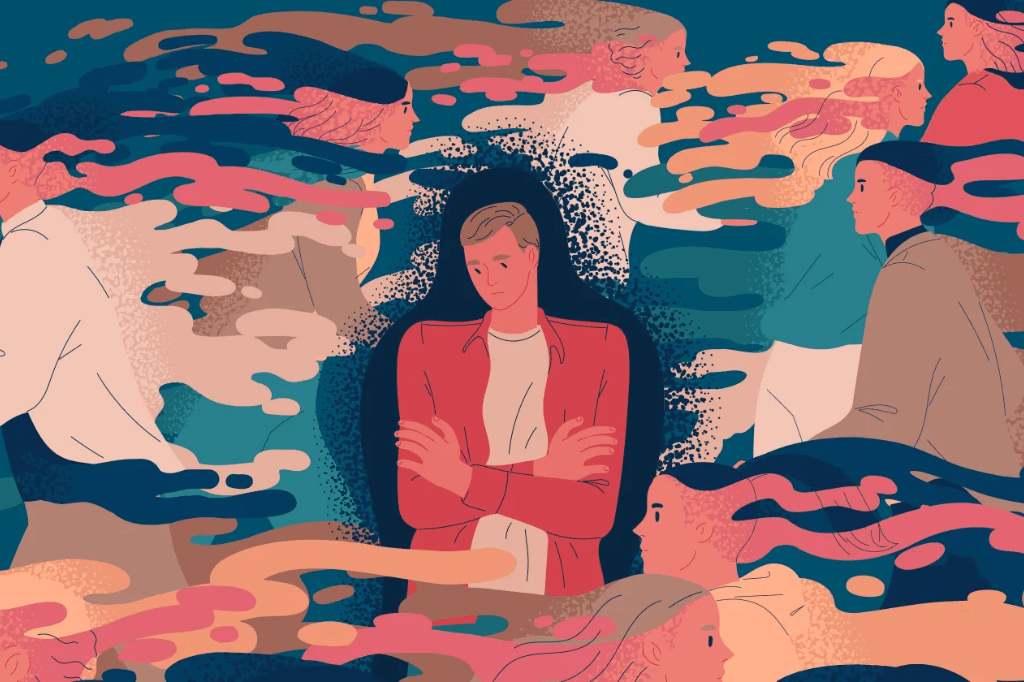
In recent years the increasing conversation around a male loneliness epidemic has been prominent. Topics around this epidemic have emerged on spaces like Reddit, in universities, and even among mental health practitioners. But what is the male loneliness epidemic, and why is it something we should be concerned about?
What is the Male Loneliness Epidemic?
The male loneliness epidemic refers to the increasing trend of emotional isolation and lack of close relationships among men, mainly in Western societies. This is different from temporary loneliness as a epidemic trends consists of chronic and widespread loneliness across men of all ages, particularly with consequential long-term effects on mental and emotional health and ultimately physical health.
Is There Really a Male Loneliness Epidemic
Yes, the male loneliness epidemic is very real, and is backed by a increasing amount of statistics and research.
- A 2021 Survey Center on American Live (SCAL) survey indicated that fewer men reported having a close friend than ever before compared to previous generations. In fact, the number of male not having any close friend went from 3% in 1990 to 15% in 2021.
- According to CDC data men are most likely to suffer depression in silence and men are four times likely to die by suicide as woman.
- Digital spaces such as Reddit serve as echo chambers for lonely men who are meeting in forums to talk about everything related to isolation to relationship problems.
The data suggest a troubling picture, one that also validates what we already know: male loneliness is real, measurable, pervasive, and growing.
What Caused the Male Loneliness Epidemic?
There is no one driving cause behind the epidemic—a multitude of cultural, social, and psychological factors overlap. Some contributing factors include:
- Decline in Male Friendships – As men reach 30 or so many friendships, some close, are left behind and not replaced. Men are far less likely than women to sustain their friendship comforts emotionally. Unlike women, men hold their friendships around activities (sports or work) not emotional intimacy. When the activity eventually ceases so too does the friendship.
- Progressive Gender Roles – Masculinity tells men they cannot be vulnerable, and many men are being raised to believe that they must be stoic, independent, and emotionally reserved in order to be masculine. Vulnerability means asking for help, or acknowledging being lonely – two barriers to healthy friendship.
- Technologies and Social Media – In some ways we are more connected now than ever in human history – thanks to technology and the internet. However, we can be more isolated than ever as well. Social media gives us an illusion of friendship while not meeting our needs for healthy and deep connections with other human beings.
- Fewer Community Spaces – Traditional male gathering spots such as bowling leagues, barbershops, and churches, have fallen by the wayside in many communities. Without traditional spaces, male friendships can built organically it has fewer opportunities.
- Romantic/Sexual Isolation – Many young man are reporting trouble forming romantic attachments, often because of fear of rejection, lack of confidence, or unreasonable expectations (set by online dating). The rise of “single and never married” men has added fuel to the fire of isolation.
How Incel Culture, Alpha Mindset, and Sexism Fuel the Epidemic?
A frequently overlooked but hidden cause of the male loneliness epidemic is the prevalence of toxic ideologies, mainly incel culture, the “alpha male” mindset, and systemic sexism.
Incel Communities and Isolation
Involuntary celibates (incels) are defined as the men in the incel section of subcultures who express hateful resentment of their romantic and sexual failures. What incels experience is loneliness, but very often the incel community amplifies hatred, misogyny, and a victim mentality that prevents them from even attempting to connect to others.
Incel forums do not offer emotional support, but only display self-pity, facilitating belief that no-one wants a meaningful connection and therefore driving men further into their disconnection from society.
Alpha Male Culture and Vulnerability
An apparently parallel issue, is how the online influences market an environment where men are expected to be dominant, unemotional, and hyper-competitive in order to gain respect. This “alpha male mindset” celebrates being tough, while expressing any sensitivity or vulnerability constitutes weakness—again driving men’s ability to form authentic connections, or express emotional needs down.
What is the result? Hyper-individualism and toxic comparatives that will have men disengaged even more and fearful to reach out when they feel lonely.
Sexism and the Dismantling of Gendered Relationships
Sexist attitudes, a particularly the idea that women “owe” men attention/affection/sex, create frustration, entitlement, and unsuccessful interactions. These surficial views create a sense of hostility towards all women and romantic rejection, distancing men from relationships rather than developing emotional maturity and understanding.
These ideologies give the men a false sense of superiority or victimization but strip away the emotional toolbox required to develop intimacy, trust, and long term relationships that perpetuate the loneliness men are seeking to escape.
When Did the Male Loneliness Epidemic Start?
Loneliness is not new to men, but the current iteration of male loneliness can be traced back to the end of the 20th century and:
- A decrease in public and community engagement.
- An increase in individualism in Western cultures.
- Changing economic systems, such as lost jobs and male underemployment, combined with changing structures of masculinity have removed traditional options for males.
Data from post-pandemic research states that COVID-19 sped up this epidemic with many men’s already tenuous social ties severed as they entered lockdown.
What’s Causing the Male Loneliness Epidemic in 2025?
The crisis remains in 2025 due to:
- Remote work removing social bonds within offices.
- Dating apps leading to fatigue or pessimism about finding partners.
- Cultural lag in establishing pathways to mental health for men.
- Lack of role models in education providing ways for men to be emotionally vulnerable.
- Stigma around therapy and the everyday use of support.
Why Is the Male Loneliness Epidemic a Problem?
Loneliness is not only emotionally painful. It’s also dangerous from a medial point of view. Studies have shown that chronically lonely people are more likely to have:
- Heart disease
- Stroke
- Sleep disorders
- Depression and suicide
- Substance abuse
Men, being more unlikely to seek help in general, have the odds stacked against them.
How can we tackle male loneliness?
This is a multifaceted challenge, and we need to be systemic, cultural, and personal in our actions. Here are some possibilities:.
- Normalizing Emotional Expression – We should encourage boys and men to show emotions with no shame. Redefining masculinity to include vulnerability and empathy is a good start..
- Marketing Mental Health for Men – Advertising campaigns should be directly targeted to men, intentionally try to destigmatize, and share true accounts from men who got help.
- Supporting Social Infrastructure – Encouraging and investing in the establishment of community centers, hobby groups, or male friendship apps, can inspire men’s reconnection.
- Therapy and Support Groups – Giving men spaces to be known by offering affordable, accessible, and male-directed therapy, or group sessions.
- Teaching Friendship – Much like we teach money management, we can offer emotional intelligence, and friendship building support to men in schools and municipal institutes.
Conclusion
Male loneliness is a real epidemic. It’s not simply men’s issue either. This affects our families, communities, workplaces, and future generations. Understanding its roots is the first step, but addressing it will require a cultural shift in how we define masculinity, friendship, and emotional well-being.
Let’s start talking. Let’s start listening.
Read about: What are Some Possible Reasons Cybercriminals Might Use Deepfakes?
 Xorvex
Leave a comment