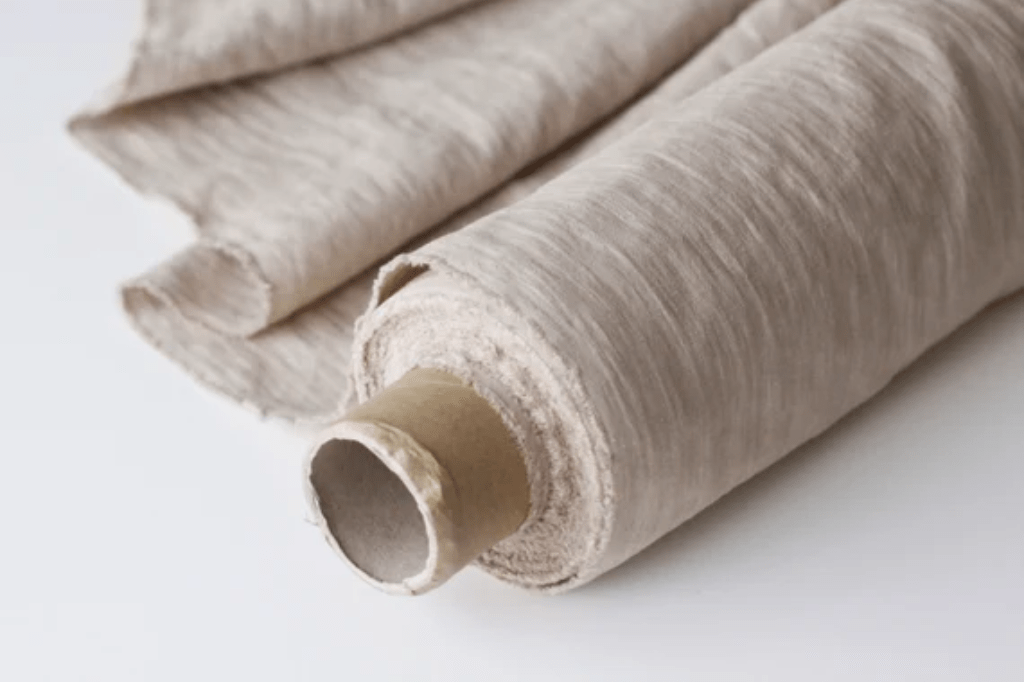
Flax linen is favored for its durability, breathability and classic beauty. It is available in various natural hues but you may be wondering how to achieve that warm soft oatmeal color – beige, cream, and a little earthy gray – using natural dyes.
The good news is that yes, it is possible to dye flax linen to an oatmeal shade with plants, minerals and natural dye methods! This guide will demonstrate this step by step.
What Is Oatmeal Color?
Oatmeal is a light neutral tone – like the color of ground oats, or soft unbleached linen. It is a balanced combination of:
- Light beige or tan
- Cream or off-white
- Sometimes it has specks of gray or brown
It is soothing to the eye and goes well with pretty much everything – you can’t go wrong when you’re working with an oatmeal tone for your home textiles, clothing or art projects.
Can You Create Oatmeal Naturally?
Yes! You can achieve the oatmeal tone by layering lightly hued natural dyes, or, dyeing undyed flax linen with a hint of vegetable based colorant that does not negate the flax linen’s natural color.
Natural Dye Options for Oatmeal Tones
Here are some natural dye materials that can help you achieve an oatmeal color:
| Dye Material | Color Result |
|---|---|
| Black tea | Soft brown-beige |
| Avocado pits/skins | Pale pink-beige (muted) |
| Walnut husks | Light to medium brown |
| Pomegranate peels | Light golden-beige |
| Oak galls | Light gray-brown |
| Chamomile flowers | Pale yellow (can be toned down) |
Tip: If you want soft oatmeal tones, black tea and pomegranate peel can be combined in diluted concepts. Using avocado pits lightly can also produce a beige warmth.
What Materials You’ll Need
- Natural flax linen (undyed)
- Natural dye material (black tea, walnut husks, etc.),
- Large stainless steel or enamel pot
- Water
- Mordant (optional – alum or tannin)
- Gloves and stirring stick
- Cheesecloth or strainer
Step-by-Step: Dyeing Flax Linen to Oatmeal
1. Wash the Linen
The first step is to wash the linen to remove any oils or finishes. Make sure to use a mild detergent – don’t use fabric softener. Let it air dry (or move on to the mordanting step).
2. Mordant Your Fabric (optional, but recommended)
Flax linen will take on dye pretty well on its own. However, if you use a mordant like alum or tannin, it allows the dye to bond more to the fabric and increases fastness.
To mordant with alum:
- Dissolve 10-15% by fabric weight alum in hot water
- Soak the linen in the solution for 1-2 hours
- Rinse gently and leave it overnight (or dye immediately afterwards)
3. Prepare your Dye Bath
In a large pot, boil some water. Mix your dye materials:
- Black Tea: 8-10 tea bags for paler beige
- Walnut Husks: simmer 1 cup dried husks in water
- Avocado: simmer pits and skins until water is light pinkish-beige
Simmer for 30 to 60 minutes and strain the liquid, as needed.
4. Dye the Linen
- Add the damp linen to the warm (not boiling) dye bath
- Gently stir and submerge and soak for 30 minutes to 2 hours
- Do check the color often — it may dry lighter!
- Once it is to your liking remove, and rinse well
5. Dry and finish
Air dry out of direct sunlight – the color will fade! Once dry, iron on medium heat as it sets the fibers.
Final Tips for a Perfect Oatmeal Shade
- Start light: If it is too faint you can always do another dye bath. However, it is much harder to re-do if it is overly dark.
- Layer dye baths: You could dye first in the black tea, then do a quick second dye bath in pomegranate or chamomile.
- Note fabric differences: Depending on the weaves and finishes, flax linen may or may not absorb dye slightly different.
Conclusion
Dyeing flax linen naturally to a soft oatmeal color is as satisfying as it is beautiful. It connects you to nature’s rhythms and adds a warm, personal touch to your textiles. With a little patience and experimenting, you can create just the right cozy, neutral tone with nothing but what nature provides.
Read about: What Color Is the Polar Bear’s Skin?
 Xorvex
Leave a comment