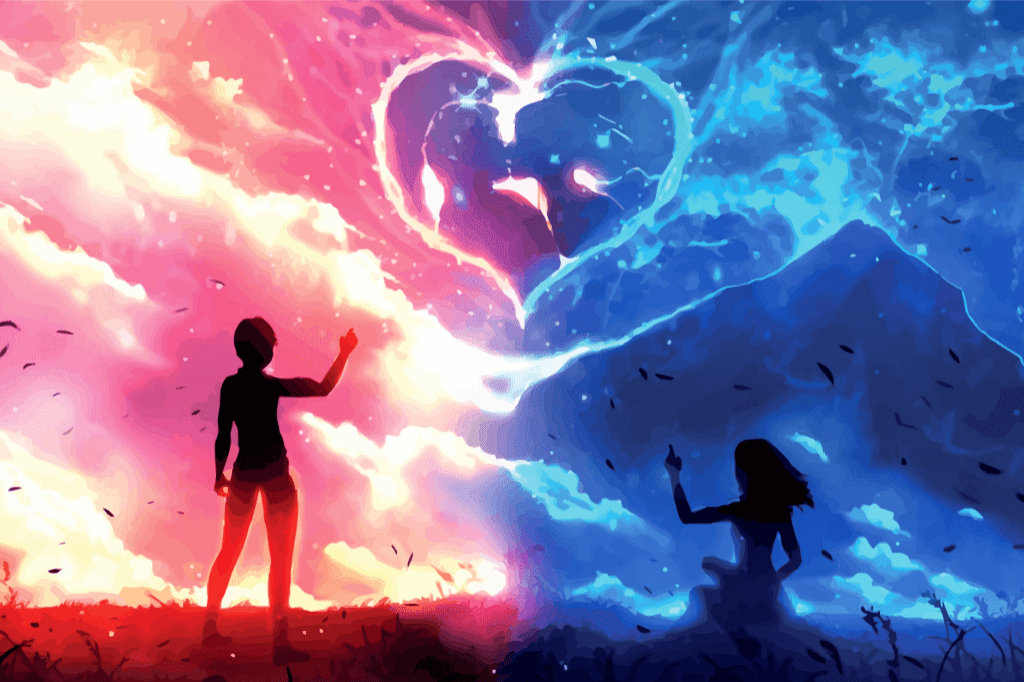
Every love story begins with a heartbeat, whether that be a glance across a room, fingertips brushing, or time standing still; what about endings? Endings can be a challenge, whether you are a novelist, making up a romance, or a poet preparing to say goodbye in your own way. The hardest thing to do is end a love story.
Endings require more than a decision; they require empathy, reflection, and honesty. So, how can you write a love story that may not end in forever – but still ends nicely? Let’s work through it together.
Why Endings Matter in Love Stories?
The ending is the last emotion your reader will experience. It’s the one they keep in their hearts when they finish the book, or when the last scene fades to black. It should resonate. It should echo. It should hurt a little, or heal a little.
Sometimes both. Before you identify how your story ends, ask yourself:
- What was the purpose of this love?
- Did it help or harm the characters?
- Did they grow, or did they break?
The ending of a love story should mirror the journey. Not every journey ends with linked hands under the stars; and that’s okay.
What Makes a Love Story Ending Powerful?
The best endings are the ones that take readers on an emotional ride, even if it means just feeling the ghost of what once was. Some elements that will cause those endings to hit home are:
- Emotional closure (or intentionally leaving things open)
- Symbolic imagery (a memory box, a final letter, a favorite place)
- Character change (growth, healing, sacrifice)
- A bittersweet beauty (the ache of what could’ve been)
Types of love story endings (and how to write them)
1. The Bittersweet Goodbye
Not every love story is meant to last, but that doesn’t mean it wasn’t beautiful.
Think: “They didn’t end up together, but they became who they were meant to be became of each other.”
You could use:
- A final meeting in a familiar spot
- An unmailed letter
- A parallel to how they met
2. The Tragic Loss
You can have love taken away too soon. Perhaps fate, illness, or death plays a part?
You want it to be:
- Poetic, never manipulative
- Heavy with meaning
- An homage to what they had
“She never got to say goodbye, but each sunset she breathes his name into the wind.”
3. The Mutual Parting
Two individuals share feelings of love, yet circumstances dictate that they can’t stay together anymore. Perhaps their dreams are taking them in different ways, or perhaps time has transformed them.
- Make the ending feel mature
- Employ respectful dialogue
- Allow the audience to mourn and process
4. The Open Ending
They exit the same café separately. One looks back; the other does not. This allows the audience to fill in some blanks which are hopeful or heartbreaking.
Ask yourself:
- What can I leave unaddressed?
- What ambiguity can I leverage to great effect in my story?
5. The Full Circle
Begin and end the story in the same way. Same place, same thing, same quote. This creates emotional symmetry.
“She sat on the same bench, ten years later. Alone. But more powerful.”
Questions Writers Commonly Have When Ending Love Stories
1. Can I end a love story with the characters not ending up together?
Yes. Real love stories do not always end in romance. Some end in acceptance, some in self-development and healing, or some even in learning to love oneself.
2. Is it okay for the ending to feel sad?
100% percent. Sad endings, when done thoughtfully, will often be the most memorable. Just don’t be cruel for cruelty’s sake- make it matter.
3. What if I don’t know how to end it?
Look at your characters. Ask:
- What do they want most?
- What do they need most?
- Can they have both?
Sometimes, the ending reveals itself when you know what each person is willing to sacrifice.
4. Should I show the goodbye or skip it?
It depends. A displayed goodbye (hug, slow dance, or last words) can be satisfying to the reader.
But a skipped goodbye – where the reader discovers it later – can add an element of tragedy.
5. How can I avoid cliché endings in love stories?
Don’t force drama. See that the ending focuses on:
- Honest emotions
- Honest reaction of characters
- Original symbolism (a song, a memory, a place, a shared scar)
Symbolic Tools for a Meaningful Ending
Try using:
- Photographs – a snapshot in which the couple never wants to forget
- Letters – expressing what could not be expressed
- Place – The spot where they first met, or the place where one always wanted to go
- Objects- jewelry, clothing, or something they both recognized as special
Examples of symbolism to inspire your ending
The couple has left each other, on the courthouse steps after having almost married.
- One leaves a voice note that the other listens to years later.
- They watch their favorite movie – laughed and cried together – knowing this is the last time.
- They reconnect again in old age – but keep it to a peaceful resolution.
Conclusion: The goodbye is where you leave a reader wanting more
Love stories are written in kisses, laughter, long drives, fights, and goodbyes. But an “ending” is not just an end. It’s an emotional truth. It’s the emotional truth of your story.
Let it:
- Feel real
- Hurt if it needs to
- Heal if it can
- Echo beyond the last page
Because sometimes, the greatest love stories aren’t the ones that last forever— They’re the ones that change us forever.
Extra Writing Prompts and Questions to Reflect On:
- What would your character write in a final letter to their love?
- How would their love story be told by a friend who watched it happen?
- What song plays in the background as they walk away?
- Who loved more? Who let go first?
- If they met again years later, what would they say?
- Was the love story real if it ended?
- Did they get closure, or will it haunt them forever?
Read about: Why Is Unconditional Love So Controversial?
 Xorvex
Leave a comment