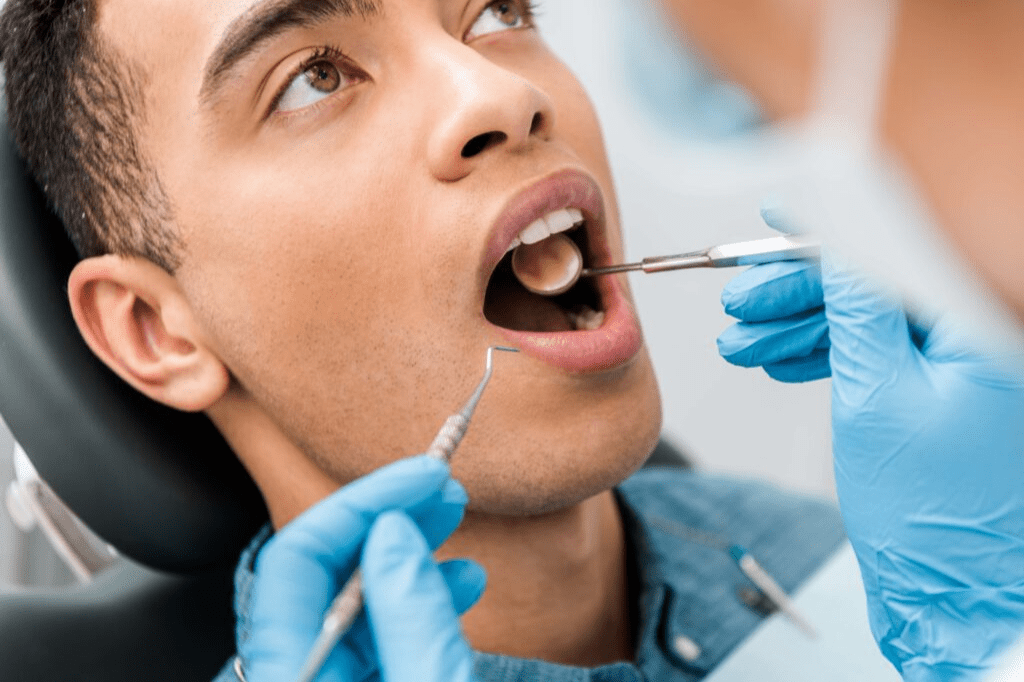
Pain in the roof of your mouth, known as the palate, can be uncomfortable and concerning. Whether it’s a sharp sting, a dull ache, or burning discomfort, there are several possible causes behind this sensation.
Therefore, if you are asking yourself, “Why does the roof of my mouth hurt?”, you’re not alone, and it’s a good thing you’re looking for reasons.
Why Does the Roof of My Mouth Hurt?
1. Burning from Hot Foods or Beverages
One of the most typical (and forgettable) reasons, is simply burning your mouth on hot pizza, coffee, or soup. The tissue on the roof of your mouth is quite thin, and it can take DAYS to heal.
Symptoms:
- Tenderness
- Blisters or peeling skin
- Pain with eating or drinking
What to do: Allow the area to heal in time, avoid hot or spicy foods, and rinse with salt water to relieve some irritation.
2. Canker Sores
Canker sores are small, painful ulcers that can develop on the roof of your mouth, and other areas.
Causes:
- Stress
- Injury (e.g., brushing too hard)
- Nutrient Deficiencies (B12, iron, folate)
- Food allergies or sensitivities
What to do: Most will heal in 7 – 10 days, on their own. You can use over-the-counter oral gels or mouthwashes to relieve the pain.
3. Infections (Viral or Fungal)
Sometimes infections can lead to pain in the roof of the mouth, including:
- Oral thrush (a fungal infection that presents as white patches)
- Herpes simple virus (cold sores are often found on the palate)
- Hand foot and mouth disease (occasional in children)
What to do: If you see white patches, or blisters, or have a fever or sore throat; it’s best to see a doctor or dentist so they can diagnosis and treat.
4. Allergic reactions or irritation
Once in a while certain types of food or drink, and even ingredients from toothpaste or mouthwash, may irritate or trigger a mild allergic reaction that may lead to pain or swelling in the mouth.
What to do: Stop using or eating the substance and monitor for improvement of symptoms. If they symptoms stay the same or worsen, see a healthcare provider.
5. Dehydration or dry mouth
When the mouth is not moist, it can lead to dry, irritated and painful mouth tissue.
What to do: Stay hydrated, avoid excessive caffeine or alcohol, and consider a saliva substitute if you have chronic dry mouth.
6. Injury or trauma
You can also cause small injuries to the roof of your mouth from silly accidents. For example, accidentally stabbing the roof of your mouth with a tortilla chip, toothbrush, or even a dental hygienist tool could lead to injury.
Symptoms:
- Localized pain
- Swelling or small
- Sensitivity when eating
What to do: These usually heal on their own within a few days. Avoid spicy, acidic, or crunchy foods while it heals.
7. Burning Mouth Syndrome
Burning mouth syndrome is a condition that is chronic and affects the feel of your burning pain in your mouth, including the roof and has no concrete cause.
Possible causes:
- Hormonal changes (Especially common in postmenopausal women)
- Damage to nerves
- Issues with nutrition
- Dry mouth
- Stress or Anxiety
What to do: Burning mouth aims to get it evaluated by your medical practitioner. Management includes medications, supplements and/or lifestyle changes.
8. Sinusitis
Believe it or not, sinusitis can create pain in the roof of the mouth because the sinuses sit just above the palate, thus inflammation or pressure in the sinuses can radiate down to the roof.
What to do: If you are also experiencing nasal congestion, headaches, or post-nasal drip, it is more likely due to a sinus issue. See your doctor for treatment.
When should I see a doctor?
You should seek medical advice if:
- The pain lasts longer than a week
- You see swelling, pus or white patches
- You have fever or difficulty swallowing
- If the pain is worsening or extending.
Conclusion
Generally, pain in the roof of the mouth such as the hard and soft palate may not be a condition of serious concern, though it can be uncomfortable. Most causes of palatal pain – consider burns, canker sores, or mild infections – will mostly clear up by themselves.
If pain in the roof of the mouth persists or is correlated with other symptoms consider seeing a medical or dental professional. Early intervention can help avoid larger problems down the road.
Read about: Why Do My Legs Hurt at Night?
 Xorvex
Leave a comment