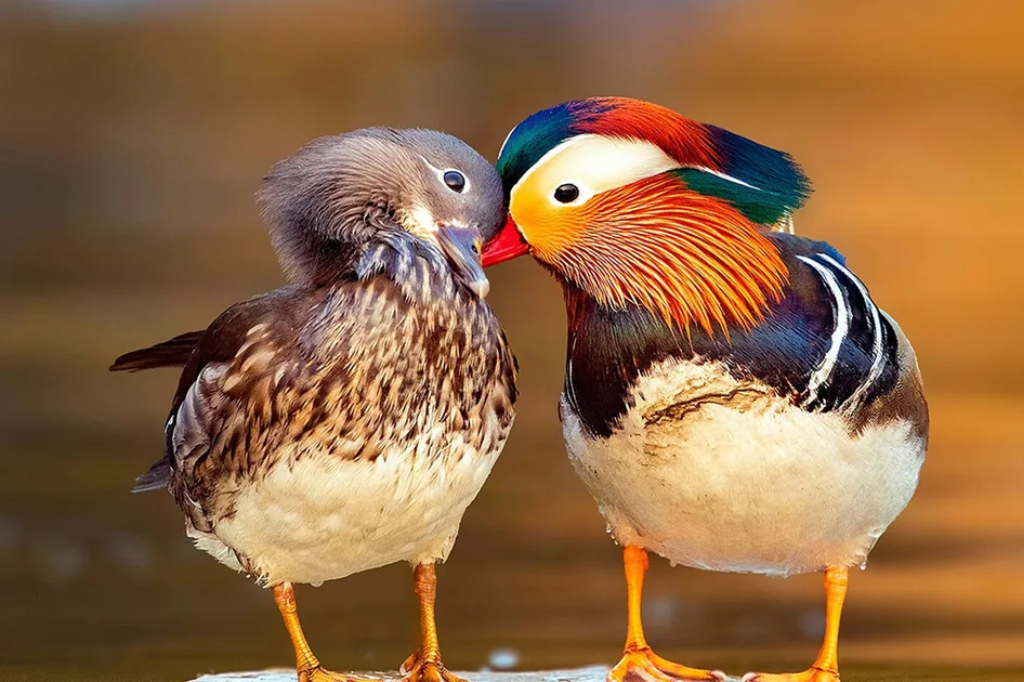
Ducks are adorable, social creatures that we often see waddling together as they prefer to be with a buddy or nearby in a group while they’re near a pond, lake or river. But have you ever asked yourself, do ducks mate for life? The short answer is no, not usually, but it’s a little more complicated than that.
Let’s take a closer look at the captivating world of mating and social bonding with ducks and their mating behaviors and mating loyalty among animals.
Do Ducks Really Mate for Life?
Although some duck species create solid bonds for the breeding season, most ducks do not mate for life. Ducks are mostly known for their seasonal monogamous bonding, where they will pair bond for an entire breeding season.
In most instances, once the ducks have successfully raised ducklings, the pair will separate for the year and may find a new mate the next year. That said, there are some exceptions.
Which Duck Species Might Mate for Life?
Generally speaking, some duck species are more loyal than others such as:
- Wood Ducks – Sometimes stay together for more than one season.
- Mandarin Ducks – Considered to mate with one another and have very strong pair bonds, though not necessarily lifelong.
- Black-bellied Whistling Ducks – One of the most monogamous duck species, they may stay with one partner for several years.
Even with these duck species, there may not be a guarantee of life-long mating. If one mate dies or there is a failure to successfully reproduce, the surviving duck will most likely find the next partner.
How Do Ducks Choose a Mate?
The courtship displays of ducks can indeed be quite elaborate! Males (aka “drakes”) will display bright and healthy plumage and perform exaggerated displays through head bobbing, tail shaking, or vocalizations to attract females.
Females will typically choose their mates based on:
- Brightness and health of the plumage
- Strength and vigor of the displays
- Successful parenting in the past (from returning pairs)
Once a female and male duck are paired, they will usually nest together, and both parents will take care of their ducklings, although males tend to play different roles in the raising process depending on the species.
Do Male Ducks Stay With Their Ducklings?
In reality, most male ducks do not help raise their ducklings. The female duck does all the work after mating and laying the eggs:
- Incubates the eggs
- Protects the nest
- Leads the ducklings to water
- Teaches ducklings essential survival skills
After breeding is finished, most male ducks leave and will not help with malting season afterwards.
Related Questions People Ask
1. Do ducks mourn the loss of a mate?
While there is no definitive scientific evidence, ducks have displayed signs of stress or vocal distress when removed from a mate. Ducks are social birds, so they may show signs of temporary changes in behavior when they are separated.
2. Do ducks recognize their mates season after season?
Absolutely, especially in species that return to the same breeding grounds year after year! The more familiar the male and female are, the more likely they are to pair again.
3. Do ducklings remain with their parents?
Ducklings remain only with their mother and only for about 50-60 days. Once they can fly and feed themselves, they are independent.
4. Are ducks monogamous?
On the whole, ducks are seasonally monogamous, which means the ducks remain with only one partner for the breeding season (not for life).
Conclusion
Ducks appear affectionate and often things look like they are devoted partners. But most ducks do not mate for life. They are seasonally monogamous and create a new pair bond every year. There are exceptions, but they are the exception and not the rule.
Whether they stay together or move on, one thing is verifiable: ducks have a complicated and fascinating attitude toward love, as well as parenting, in the wild.
Read about: The Life Cycle of a Hen: From Egg to Mother Hen
 Xorvex
Leave a comment