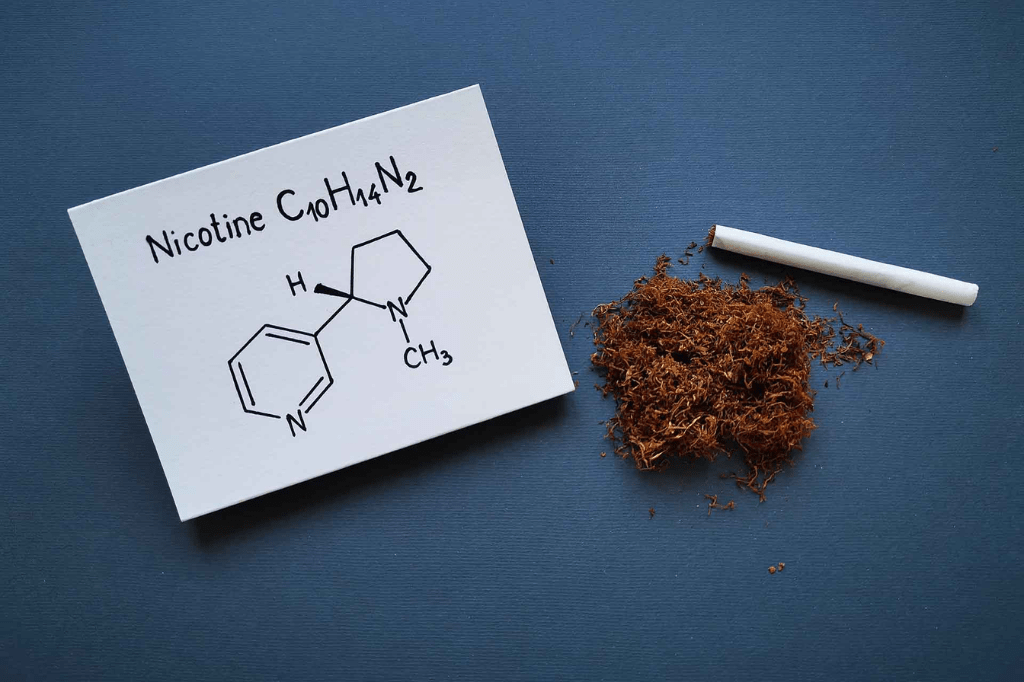
Nicotine is one of the most widely consumed psychoactive drugs in the world. It naturally occurs in tobacco plants and is the main content of cigarettes, vapes, and smokeless tobacco. One of the most asked questions is:
Is nicotine a stimulant or depressant? And what does it actually do to your brain and body? We will look at the science, effects, and frequently asked questions about nicotine and its complicated relationship with mood, mental health, and addiction.
Is Nicotine a Stimulant or Depressant?
Nicotine is, in a nutshell, a stimulant. A stimulant activates the nervous system, and it makes the following increase:
- Heart rate
- Blood pressure
- Alertness
- Focus
- Dopamine release (the “feel good” hormone)
Although, that’s only part of the story.
Can Nicotine Have Depressant Effects?
Yes, in some cases. Nicotine is more of a stimulant, but chronic use, and period of withdrawal from nicotine may have effects that look like depressants:
- Anxiety
- Irritability
- Fatigue
- Feeling depressed
So, nicotine is not a depressant based on chemical make up, but can have depressant like effects, particularly during withdrawal.
How Does Nicotine Affect the Brain?
Nicotine stimulates the release of neurotransmitters, including dopamine which is responsible for pleasure and reward. When you use nicotine, the brain learns that it is associated with a pleasurable, relaxing feeling. However, this feeling is temporary.
Why Does Nicotine Feel Calming If It’s a Stimulant?
That’s a good question. The feeling of calm many people experience with nicotine isn’t because it’s relaxing. It’s because you’re getting rid of the withdrawal symptoms. Your brain is now dependent on nicotine, which, when you use nicotine again, “resets” that craving and acts as if it is calming.
Does Nicotine Cause Depression?
Nicotine itself does not cause depression, but nicotine use is linked to an increased risk of depressive symptoms. For example:
- Smokers were more likely to report feelings of sadness, anxiety and helplessness.
- Withdrawal can exacerbate prior mood disorders.
- The brain can become chemically dependent on nicotine to perform “normally,” and the result can be mood instability.
Can Nicotine help with Anxiety or Stress?
Often people smoke or vape to help temporarily relieve anxiety. But:
Does nicotine help with stress? Not long term.
While nicotine may provide a short-term effect for stress relief, it ultimately increases anxiety and stress over time. Withdrawal (symptoms such as restlessness, anxiety, mood swings) will create a negative cycle of continued dependence and deteriorated mental health.
FAQs
Does nicotine calm you down, or hype you up?
It hypes you up initially (stimulant), but may feel calming due to your craving being relieved while in withdrawal.
Is vaping less harmful to mental health than smoking?
Not really. Both are similar and both impact addiction cycles and associated emotional effects.
Can quitting nicotine improve mental health?
Yes. Once the withdrawal phase subsides and the fog lifts, people report:
- Better mood
- Less anxiety
- Better concentration and sleep.
Why do people claim nicotine helps them focus?
Nicotine can short term affect attention spans and reaction times, however, at the expense of long-term dependence and risks to health.
Is nicotine really addictive even in small doses?
Yes. Even small or infrequent use can lead to dependence, especially if that user is younger.
Conclusion: So, is nicotine a depressant?
No, nicotine is not considered a depressant. It has a stimulant effect, but long-term use and withdrawal can closely mimic depressive symptoms. This dual effect leads to nicotine being considered a complicated and often misunderstood substance. Although it may provide momentary relief to mood, it could worsen mental health over time.
Still, for those who are looking to regulate emotion or find some escape from anxiety, it is best to channel those emotions into useful and beneficial behaviours, such as:
- Therapy or counseling
- Mindfulness and meditation
- Physical activity
- Social support
Read about: Why Is DNA Called the Blueprint of Life?
 Xorvex
Leave a comment