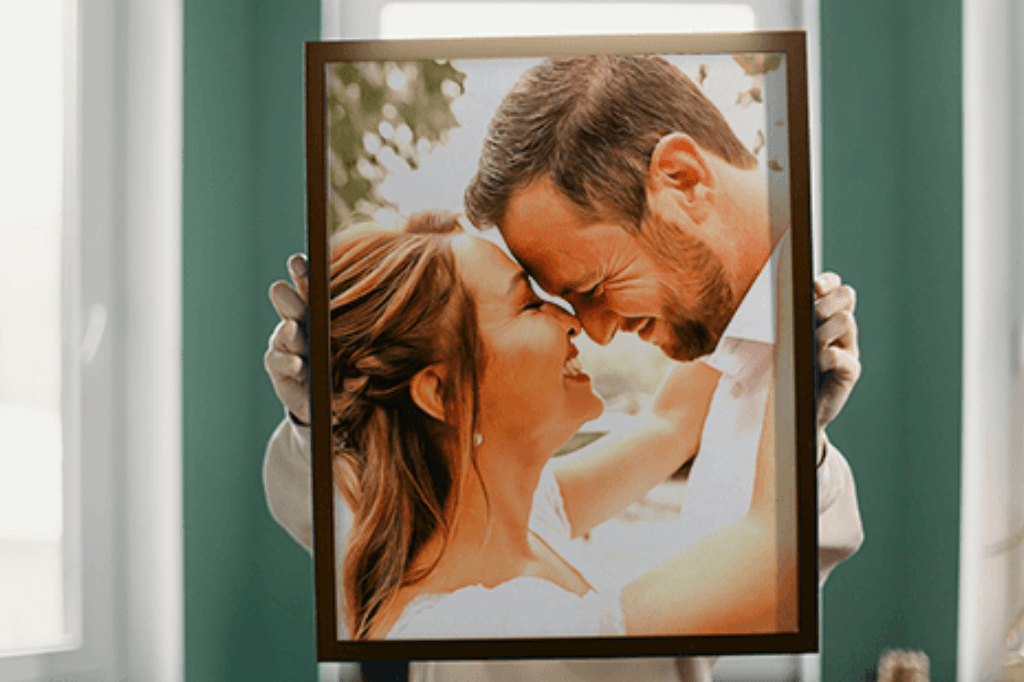
Canvas art is classic and stylish, and frequently it is a focal point in any room. A canvas can be displayed without a frame, however, when placed in a frame, a canvas will have a more polished look, it will be better protected from environmental damage, and framing a canvas will give a canvas the presentation of a gallery.
If you are looking to frame canvas art, you may be wondering how to do so correctly. This article is designed to show you how to frame a canvas, including any options you may wish to take, how to make those decisions, and even steps you can take if you wish to do it yourself at home.
Why Frame a Canvas Art?
Unlike prints and posters, a canvas is sturdy and may not require a frame. However, framing has many benefits:
- Protection: Frames offer protection to the edges of the canvas from dust, dents, and wear associated with handling.
- Aesthetic: The right frame enhances the colors and style of canvas art selection.
- Professional: Framed canvas art offers a more finished and sophisticated appearance.
- Durability: Frames preserve the artwork throughout the years (keeping it as new as possible), protecting it from wear and tear.
What Are the Best Frame Styles for Canvas Art?
Canvas art does not lay flat like paper prints, therefore standard frames are not always appropriate. The two most common options are:
| Frame Type | Description | Best For |
|---|---|---|
| Float Frames | Creates a gap between the canvas and frame, making the art appear to “float.” | Modern, contemporary pieces |
| Gallery Frames | Sleek, minimal frames that surround the canvas edges closely. | Professional, clean look |
| Shadow Box Frames | Deep-set frames that give the artwork a three-dimensional effect. | Larger or textured canvases |
| Ornate Frames | Decorative, vintage-style frames with intricate details. | Classical or traditional artworks |
How to Frame Canvas Art (Step-by-Step)
If you plan to frame your canvas yourself, then here’s a short guide on how to do it.
1. Measure Your Canvas
- Using a measuring tape will be the best way to measure the height, width and depth of your canvas.
- When choosing your frame, make sure to account for the depth of your canvas (they are thicker than paper).
2. Choose a Frame
- Make sure that the frame style is suited to the piece and your own interior decoration style.
- Modern pieces are best suited to a float or gallery type frame.
3. Build the Frame
- Put the frame face down on a clean flat surface.
- Position the canvas into the frame and make sure it fits.
4. Secure the Canvas
- Use offset clips, nails, or brackets to secure the canvas into the frame.
- Do not use glue or adhesion as you run the risk of damaging the canvas.
5. Put on the Hangers
- Add D-Rings and wire, or sawtooth hangers.
- Make sure they are centered and strong enough to hold the weight.
6. DIY vs. Professional Framing – Which is better?
- DIY Framing: Cheap, highly customizable, and rewarding for smaller or standard size canvases.
- Professional Framing: Expensive, but OK for larger, more valuable, or delicate pieces that are valuable enough to warrant the expense. If you want perfect accuracy and you are using archival quality materials.
Tips for Choosing the Right Frame for Your Artwork
Match the Mood – A simple black float frame is suitable for modern art and an ornate gold frame is suitable for classical painting.
- Consider Room Décor – Make sure the frame fits your décor style.
- Neutral is Safe – Black, white, and wood frames are versatile and safe.
- Don’t Overpower the Art – The goal of the frame is to enhance the art not distract from it.
Frequently Asked Questions about framing canvas art
Do all canvases need to be framed?
No, many canvases are designed to be “gallery wrapped”, and that means the art flows off the edges and they are made to be hung without a frame.
How much does it cost to frame a canvas?
- Framing yourself: $20-80 (depending on the type of frame and size).
- Framing professionally: $100-$500+, (depending on size, materials used, and labour).
Can I frame a canvas without glass?
Yes! Canvas art almost never needs glass to cover it because the canvas surface is more durable than paper prints. Glass is optional to offer protection.
What size frame should I buy?
Purchase a frame that is the exact measurements of your canvas. If the canvas is stretched, it will take a deeper frame to accommodate the canvas thickness.
Conclusion
Framing canvas art can feel like a minor step, but it can be impactful. Framing your piece with a sharp floating frame or an elaborate, more traditional frame can help protect your canvas and add to its beauty – it is worth investing in the right frame.
If your canvas art is expensive or has sentimental value, it may be worthwhile to pay for professional framing services. If your art is a more common canvas, playing around with your frame and going the DIY route can be a lot of fun, and a sense of accomplishment.
Read about: What Is the Best Martial Art for a Police Officer?
 Xorvex
Leave a comment