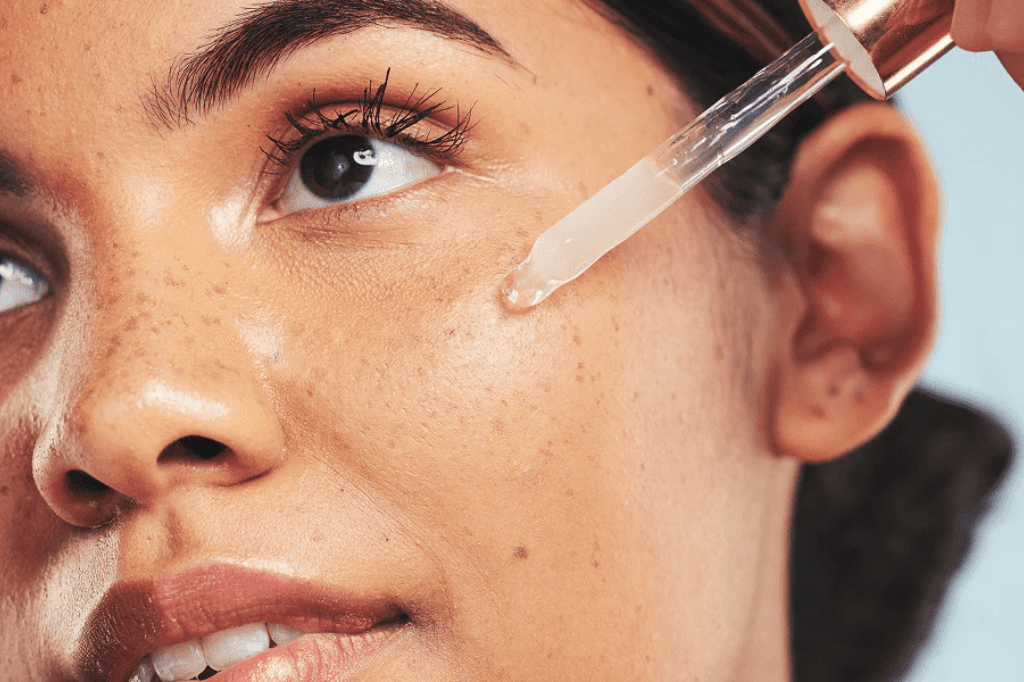
Hyperpigmentation, dark spots, uneven skin tone, or patches of discoloration – a common skin concerns caused by sun damage, hormonal changes, acne scars, or even aging. Many people who seek some help against hyperpigmentation find themselves suddenly staring at brightening serums, but can they actually help, or is this yet another skincare trend to fall for? Let’s break it down.
What are Brightening Serums?
Brightening serums are lightweight, concentrated skincare products that contain active ingredients that target dark spots, dullness, and uneven skin tone. Brightening serums are formulated to penetrate deeper layers of the skin than moisturizers, and as a result can also treat pigmentation over time.
How Do Brightening Serums Work on Hyperpigmentation
Hyperpigmentation occurs when your skin displays excess levels of melanin. Brightening serums act in three ways:
- Regulating melanin production (ingredients like niacinamide and licorice root extract soothes pigment-producing cells).
- Increasing skin turnover (vitamin C, AHAs, and retinol stimulate fresh, even-toned skin to replace damaged layers).
- Protecting against further damage (antioxidants protect the skin against UV damage and environmental pollution, that could aggravate pigmentation).
Example of Key Ingredients & Their Role
| Ingredient | How It Helps Hyperpigmentation |
|---|---|
| Vitamin C | Reduces melanin production, brightens skin |
| Niacinamide | Blocks pigment transfer, improves skin barrier |
| Alpha Arbutin | Inhibits melanin formation, fades dark spots |
| Retinol | Boosts cell turnover, evens skin tone |
| Kojic Acid | Lightens pigmentation by suppressing melanin |
| Glycolic Acid (AHA) | Exfoliates dead skin, reveals brighter skin |
Do Brightening Serums Actually Work?
Yes! But results are reliant on consistency, the product, and how deep the pigmentation issue goes. Most people will begin to see visible changes within 4–12 weeks of continuous use. But, if you are dealing with a deeper pigmentation, or stubborn pigmentation (i.e., melasma), it may require multiple dermatological treatments along with serums.
Factors that affect results:
- Skin type – Some serums can cause irritation on sensitive skin.
- Consistency – Skincare takes time; skipping days just delays your results.
- Sunscreen – You will have reversals in pigmentation without wearing sunscreen, no matter how good the serum is.
- Concentration of the ingredient – It usually takes less time for stronger formulations to work, but they may irritate you as well.
Common Questions About Brightening Serums and Hyperpigmentation
1. Will brightening serums remove hyperpigmentation permanently?
Not always. They can lighten dark spots considerably but repeated exposure to the sun, hormonal fluctuations, or other behavioural or genetic causes can bring them back.
2. Will I use them in the morning or night?
Vitamin C serums are specific to the morning (followed with sunscreen).
Retinol has brightening serums and they are specifically used at night.
3. If I am using a brightening serum, do I still have to wear sunscreen?
Absolutely. Sunscreen is non-negotiable. If you don’t wear sunscreen, then you will just continue to worsen the pigmentation.
4. Do the natural brightening serums work?
Some natural options, like licorice extract, turmeric, and mulberry extract can help, but you may lose patience while waiting, as they may be working slower than clinically tested actives.
Dermatologist Tip
When it comes to treatment of resistant hyperpigmentation, dermatologists may recommend the use of brightening serums plus :
- Chemical peels
- Laser treatment
- Microneedling
Conclusion
Brightening serums work on hyperpigmentation, especially brightening serums with reliable active ingredients, such as vitamin C, niacinamide, or alpha arbutin. Brightening serums aren’t a magic fix but it is very probable they will eventually result in clearer, brighter, and more consistent skin tones, particularly with time, consistency, and daily sun protection!
Brightening serums are effective for diminishing hyperpigmentation but they are even more effective as part of structured plan with sun protection and any dermatological treatment if required.
Read about: Does Drinking Water Help with Acne?
 Xorvex
Leave a comment