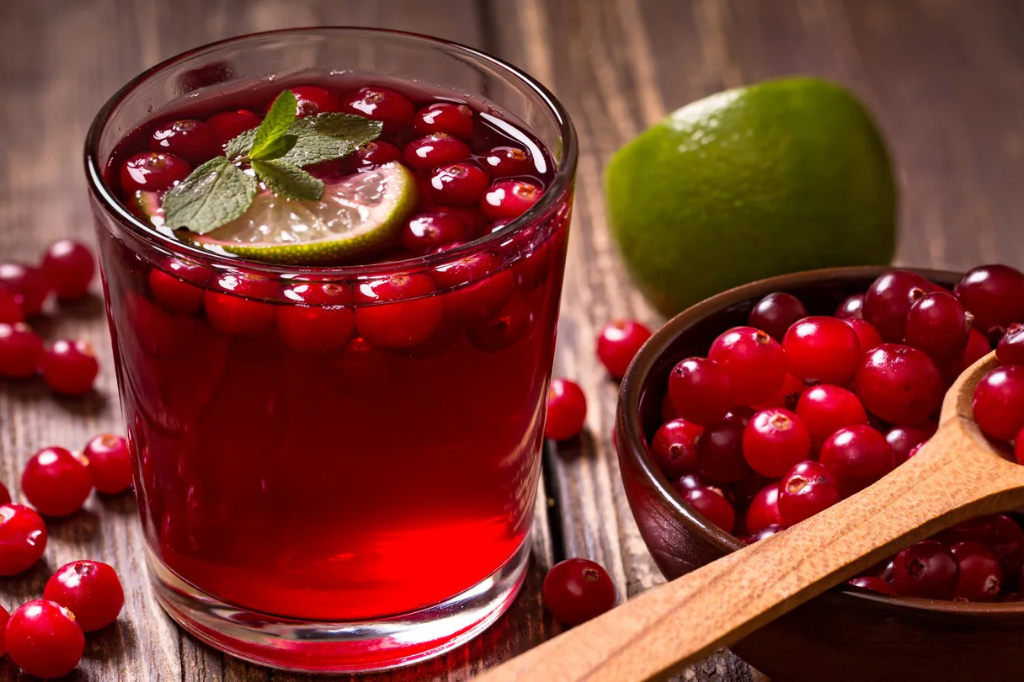
You may have heard long ago that cranberry juice is tied to urinary tract health, which leads many to ask: but does it help in the case of yeast infections? Yeast infections can be uncomfortable, irritating, and very common. It seems only reasonable that someone would want to find some at-home remedies to soothe their infection.
In this blog, we will look at what science says about cranberry juice and yeast infections, what are other home remedies that people try, and when it is time to consult a health care professional.
What Are The Causes of Yeast Infections
The overgrowth of Candida, a fungus that naturally lives in the body, causes yeast infections. Antibacterials and other factors, such as hormones, diabetes, stress, or a compromised immune system, can unbalance your microorganisms with too much Candida. In essence, you want the population of your yeast to be low.
Common Symptoms:
- Itching or burning of the vaginal area
- Thick white discharge (frequently likened to cottage cheese)
- Redness or swelling
- Pain during urination or intercourse
What is the Connection of Cranberry Juice and Yeast Infections?
Cranberries contain proanthocyanidins a natural compound that has been deemed responsible for the ability of cranberries to keep bacteria from adhering to the walls of the urinary tract; thus, cranberry juice is often recommended for urinary tract infections (UTIs).
- The downside: yeast infections are caused by fungi, not bacteria.
- Evidence: Currently there isn’t enough clinical data indicating that cranberry juice has any impact on either preventing or treating yeast infections.
What it may help with: Drinking cranberry juice may support overall urinary and vaginal health (keeping bacteria at bay), and therefore, help reduce chances of getting an infection (however should not be used as treatment for yeast infections).
Why Do People Use Cranberry Juice?
Many people will still utilize cranberry juice despite the lack of supporting evidence when dealing with yeast infections because;
- It’s a natural, accessible remedy
- When you drink cranberry juice you are taking in fluids to promote hydration and help flush out toxins
- Cranberry juice may also help to prevent UTIs, which can sometime present alongside a yeast infection
Alternative Natural Remedies for Yeast Infections
If you’re interested in getting some natural relief, here are other remedies that have greater supportive evidence than cranberry juice:
| Remedy | How It Works | Effectiveness |
|---|---|---|
| Probiotics (yogurt, supplements) | Rebalance healthy bacteria | Some studies show reduced recurrence |
| Tea tree oil (diluted) | Antifungal properties | May help, but must be used cautiously |
| Garlic | Natural antifungal compound (allicin) | Limited evidence but widely used |
| Boric acid suppositories | Restores vaginal balance | Effective for chronic/recurrent cases |
Does Diet Matter in Yeast Infections?
Yes, diet is important for fungal growth. A diet high in sugar can increase the chances of a yeast infection because Candida feeds on sugar.
- Good foods: vegetables, lean proteins, probiotics, low-sugar fruits
- Bad foods: refined sugars, processed foods, alcohol
When to see a doctor
Although drinking cranberry juice is not harmful, and it may have benefits for the health of your urinary tract, you should not use it in place of medical treatment. You should see a doctor if you are experiencing:
- Multiple yeast infections (4 or more per year)
- Very troubling symptoms that do not resolve with over-the-counter treatments
- Mixed infections (yeast infection symptoms + UTI symptoms)
- A yeast infection while pregnant
Conclusion
Cranberry juice is not an effective treatment for a yeast infection illness. Although drinking cranberry juice is beneficial for urinary tract health, there is little evidence that it protects against fungal infections such as Candida. However having cranberry juice as part of a healthy diet does not cause any harm and may help support healthy vagina health overall.
For yeast infections, time-tested and true remedies such as antifungal creams, oral antifungals, probiotics, and diet changes are still the most effective.
Read about: Does Music Help You Study?
 Xorvex
Leave a comment