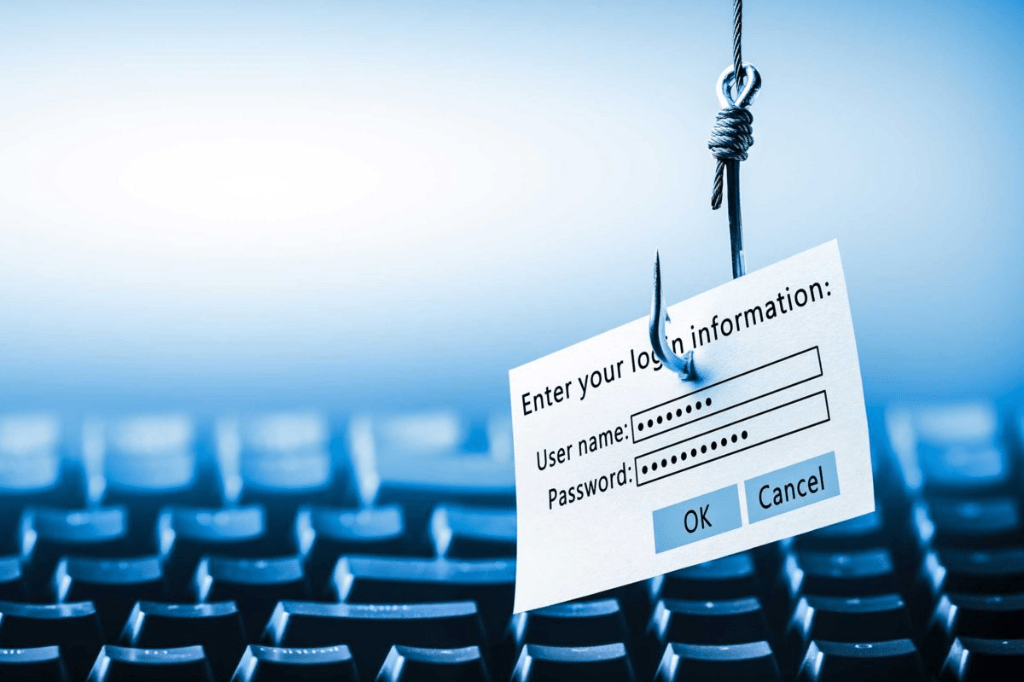
Phishing is one of the top cyber threats today for individuals as well as businesses across the globe. Have you ever asked yourself, “what is phishing, how do I know if a website is legit, and how can I report a scammer?” You are not alone. In this blog, we will answer the most frequently searched questions about phishing and scams, so you can remain safe online.
What is Phishing?
Phishing is a type of cyberattack that tricks people into providing sensitive information, such as passwords, credit card details, or bank account numbers, because the scam source appears to be a trusted one.
The most common forms are:
- Phishing emails (fake emails that look like they are from banks, delivery companies, or government agencies).
- Smishing (phishing that occurs through SMS/text messages).
- Vishing (phishing that occurs via phone calls).
- Spear phishing (very targeted phishing to specific individuals or organizations).
- Spoofing (where the attacker pretends to be a person by faking an email address, phone number, or website).
What is a Phishing Email?
In general, a phishing email will look urgent and tries to force you to take action quickly. Common phrases associated with phishing attempts include:
- “This account will be suspended,” or “there was a suspicious login attempt.”
- Common indicators can also be poor grammar, poor formatting, and addresses of the sender may be slightly misspelled.
- Links that don’t match the official website.
If you are asking “is this a legit email?” or “is this email real?” hover over the hyperlinks before clicking, check the address of the email domain where it came from, and never share personal information unless you have confirmed.
How to Identify a Fake Text Message
Fake SMS (smishing) often say you have won, owe money, or need to confirm your account.
Signs to look for:
- Shortened Links (bit.ly, tinyurl, etc.).
- Payment or personal information requests.
- Unknown or international phone numbers.
If you are unsure, do not click the links – contact the company directly using their legitimate phone number or mobile app.
Is This Legit Website or Scam Website?
Scammers frequently create fake websites that look identical to real websites. When you want to check if a website is legitimate:
- Look for HTTPS (padlock icon) in the browser bar.
- Make sure you check the domain name (for example “paypa1.com” and not “paypal.com”).
- Look for spelling mistakes, graphics that do not look professionally made in the overall design.
- You can also use Google Safe Browsing or VirusTotal to scan suspicious links.
How to Report a Scammer or Phishing Attempt
If you receive a phishing email, message or call, do not simply delete the email or messaging – reporting can help protect others.
Here’s how you can report scams:
- Email Scams: Forward phishing emails to your email provider (e.g., reportphishing@apwg.org, or the “Report Phishing” button in Outlook or Gmail).
- Phone Scams: Report scam numbers to your phone provider or government fraud organization.
- Websites: You can report fake websites to companies like Google Safe Browsing, or to national cyber security agencies like CERT.
- In the U.S: You can report to the Federal Trade Commission (FTC) at reportfraud.ftc.gov.
- In other countries: Check your government’s cybercrime page.
How to Avoid Phishing Attacks?
You can’t stop scammers from trying, but you can avoid becoming a victim:
- Inspect first – hover over links to inspect and double-check who the feeling email is from.
- Use the protection of two-actor authentication (2FA) – even if someone gets your password, they can’t access your account.
- Always keep all software updated – keep your browser, antivirus and everything updated to the latest versions.
- Educate yourself – arm yourself with knowledge of common scams such as sextortion emails, fake bank alerts, or “Do you have a minute to talk?” emails.
- Trust your instincts – if it doesn’t feel right, it probably isn’t.
Conclusion
Phishing is a serious threat, but if you know what to look for and exercise caution, you can protect yourself. Always ask yourself: Is this legit? Is this site safe? And always report phishing. You can and should do this. Staying alert online is the best defense against scammers.
Read about: Do Air Purifiers Help With Smell?
 Xorvex
Leave a comment