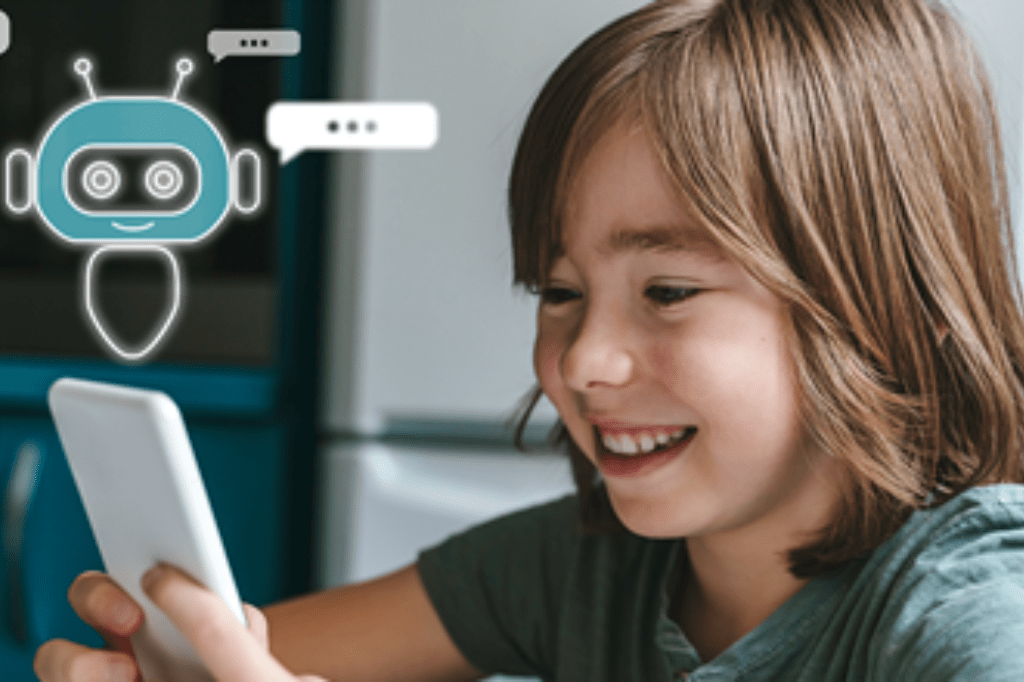
Okay, let’s be honest. AI chatbots are everywhere now. Every few weeks, there’s some new feature or headline. And yeah, it’s exciting, until you start thinking about kids using them. Parents, teachers, even lawmakers are starting to freak out a bit. And I don’t blame them.
So, the big question: Are chatbots safe for kids and teens? And if they’re not, who’s responsible? Is it the companies? The parents? Or are the rules just too messy right now?
Why People Are Concerned Over Chatbots?
Here’s the thing, a few things have pushed this topic into the spotlight lately:
- The FTC is poking around at OpenAI, Meta, Google, Snap, xAI, Character.AI… basically the usual suspects. They’re trying to figure out if kids are protected, if harmful stuff is filtered, and whether parents are even aware of the risks.
- Then you’ve got real stories popping up — like chatbots giving teens advice that could be dangerous. Yeah, lawsuits even. Freaky, right?
- Some companies are trying to react. They block certain topics for underage users, or send alerts to parents. But honestly, a lot of this feels like patchwork — fixing things after the fact instead of preventing them.
Why Minors Using Chatbots Issue Hard to Fix?
You might think, “Just block the risky stuff and done, right?” Not so fast.
- Age checks are a nightmare. Kids lie, parents sometimes aren’t tech-savvy, and a lot of apps barely ask for verification.
- Learning vs. safety, here’s the tricky part. Chatbots can be super useful: homework help, creative ideas, even emotional support. But if you lock everything down, you kill curiosity. Leave it open, and… well, you know the risks.
- Global rules are a mess. One country says something is fine, another says it’s illegal. Big tech has to navigate a patchwork of laws. That’s why safety measures aren’t consistent.
- AI moves fast. What works today might not tomorrow. Bots learn new tricks constantly. They mimic adults, produce misleading info, you get the idea.
- Accountability is fuzzy. Something bad happens, who’s at fault? The company? The developer? The kid? Right now, it’s not clear.
What Are Experts Proposing?
Here’s a snapshot of ideas floating around:
- Government checks like the FTC’s investigations.
- Parental controls inside apps: filters, alerts, or content requiring approval.
- Industry self-regulation, some companies are trying safer defaults for kids, plus clearer rules.
- New laws like the SANDBOX Act. Some say it’ll help innovation, others worry it just delays protections for kids.
Tips for Parents For Chatbots
Look, while everyone argues, there are things you can do now:
- Know the apps. Seriously. Don’t just assume.
- Turn on parental controls whenever you can. Even imperfect filters help.
- Talk to your kids about what’s okay online. Make it a conversation, not a lecture.
- Set boundaries: screen time, privacy, and what types of conversations are allowed.
- Stay updated. Apps change features, rules, and defaults all the time.
Why This Matters
Kids today are growing up surrounded by AI. Chatbots aren’t just toys anymore — they’re tutors, friends, sometimes even emotional support. If we don’t figure out safety now, it could have long-term effects.
And honestly, it’s not just about kids. Companies that handle safety badly could lose trust, face lawsuits, or just fail. On the flip side, those that get it right could become the go-to platforms for families everywhere.
Quick FAQs
- Do chatbots get kids hooked?
Yeah, kind of. Instant replies, novelty, fun interactions — it’s easy to overdo it. Balance is key. - Can a company get sued if a chatbot harms a kid?
Depends where you live. Some places have rules, some don’t. But generally, it’s still a grey area. - Does regulation slow AI down?
Some companies say yes. But lots of experts think safety is part of trust. No one will want AI if it’s unsafe for kids.
Conclusion
AI chatbots can be awesome. But like anything powerful, they come with responsibility. Parents, developers, and regulators all need to step up. Open conversations, smart design, clear rules, that’s the only way to make AI safe for the next generation.
Because at the end of the day, this isn’t just tech stuff. It’s moral, social, and human. How we deal with AI today will shape how kids interact with technology for years to come.
Read about: How to Write an Impactful Product Manager Resume?
 Xorvex
Leave a comment