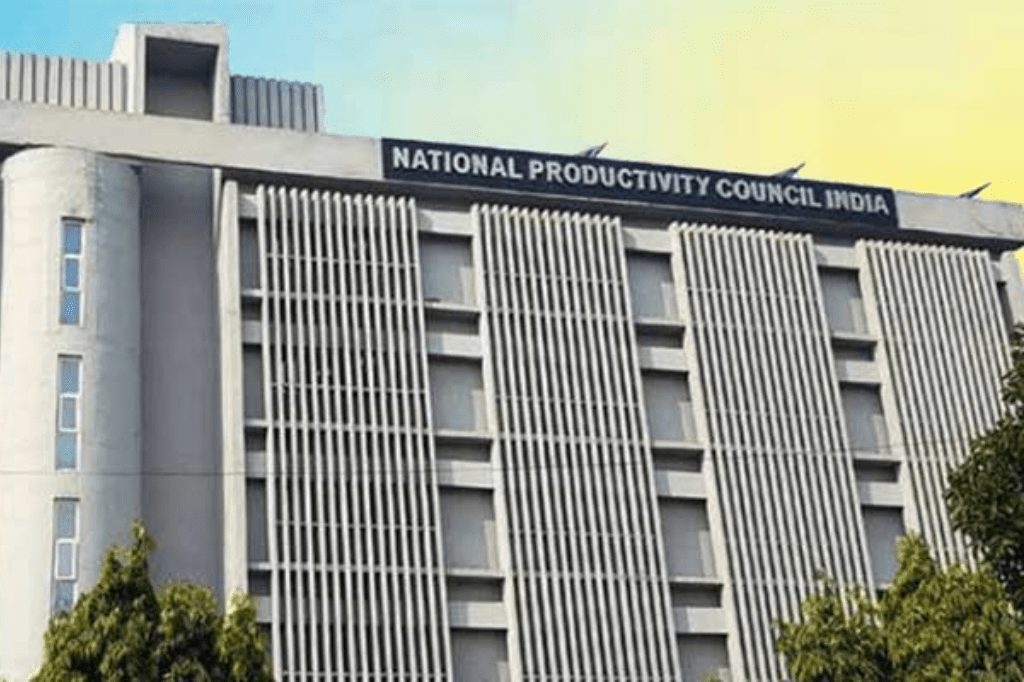
Most Americans have never heard of India’s National Productivity Council (NPC), but it has been playing a big role in shaping the country’s economy since 1958. Think of it as a cross between a think tank, a training institute, and a consulting agency—only it’s backed by the Indian government.
NPC was set up under the Ministry of Commerce and Industry, yet it operates as a non-profit and fairly independent body. Its mission is to help India’s industries, services, and even government offices work more efficiently, waste fewer resources, and stay competitive in global markets.
What Does NPC Actually Do?
- Training & Workforce Development – NPC runs workshops, certification courses, and seminars—similar to what U.S. professional associations might do—to help workers and managers sharpen their skills.
- Consulting for Businesses – Whether it’s energy audits, lean manufacturing, or digital transformation, NPC provides hands-on guidance to Indian companies—something like what McKinsey or Deloitte might offer, but at a national scale.
- Research & Policy Advice – The organization also supports government leaders with studies and recommendations, much like the U.S. Congressional Budget Office or think tanks do.
- International Role – India’s NPC represents the country in the Asian Productivity Organization (APO), headquartered in Tokyo. This group includes 20 member nations that collaborate on innovation, efficiency, and sustainable practices.
- Public Awareness – Every year, India celebrates National Productivity Week (February 12–18), which is similar to awareness weeks in the U.S. (like National Small Business Week). Each year’s theme highlights how productivity connects to everyday life and economic growth.
Why Americans Should Care
- India’s Competitiveness Affects Trade: A more efficient India means stronger global competition for U.S. businesses.
- Partnership Opportunities: U.S. companies working in India often benefit from NPC programs on energy efficiency, digital tools, and sustainability.
- Lessons for Policy: NPC’s focus on cutting waste and boosting competitiveness mirrors conversations in the U.S. about manufacturing revival, clean energy, and innovation.
- Support for Startups & SMEs: Just as the U.S. emphasizes small business growth, NPC helps India’s MSMEs (Micro, Small, and Medium Enterprises) scale with better practices.
Quick Facts (FAQs)
- When was NPC founded?
1958. - Who oversees it?
The Ministry of Commerce and Industry in India, under the Department for Promotion of Industry and Internal Trade (DPIIT). - Does NPC work globally?
Yes. It represents India in the Asian Productivity Organization alongside 20 other member countries. - What’s “Productivity Week”?
An annual event in India (Feb 12–18) that promotes awareness about efficiency, sustainability, and competitiveness.
Conclusion
The National Productivity Council isn’t a household name in the U.S., but it’s a cornerstone of India’s economic strategy. By pushing for efficiency, sustainability, and innovation, NPC helps Indian businesses—from major corporations to startups—adapt to global competition.
For Americans, it’s worth watching because India’s productivity gains can influence trade, business partnerships, and even global supply chains. In short, NPC is part of the machinery driving India’s rise in the global economy.
Read about: How to Stop Breast Milk Production?
 Xorvex
Leave a comment