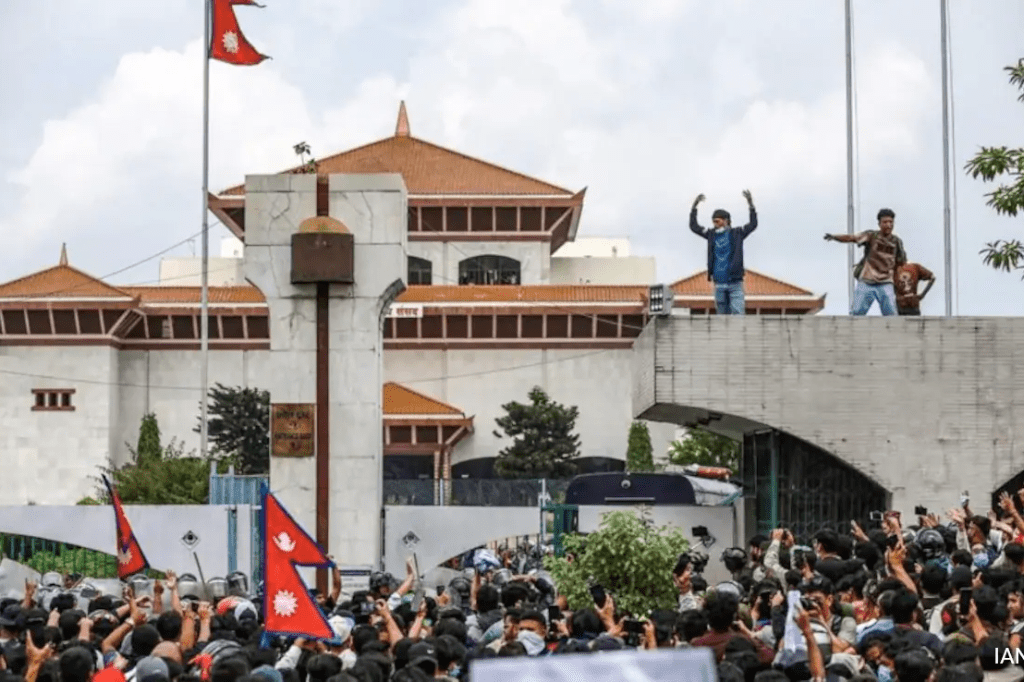
When thousands of young Nepalese poured into the streets this September, their anger wasn’t just about Facebook, YouTube, or Instagram going dark. The social media ban was simply the spark. What fueled the fire was years of political corruption, nepotism, and mismanagement that have eroded trust in leadership and left a generation feeling betrayed.
Why the Protest Took Place in Nepal?
For Gen-Z, corruption isn’t an abstract issue. It shapes their daily lives – from limited job opportunities and poor education systems to the dominance of political dynasties in every institution. The social media shutdown, framed by the government as a fight against fake accounts and misinformation, was seen by students as just another example of the state hiding behind excuses while silencing dissent.
Student Miraj Dhungana voiced this sentiment powerfully:
“Social media was our space to study, earn, and speak up. Now the government wants to crush our voice. Corruption is the real virus destroying this country.”
Trending hashtags like #Nepobaby and #NepoKid weren’t just digital slogans; they symbolized Gen-Z’s anger at politicians’ children inheriting positions of power while ordinary youth struggle to find opportunities.
What Happened on 8th September?
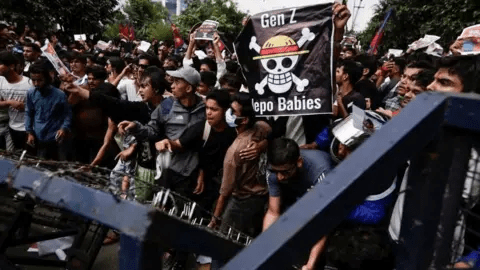
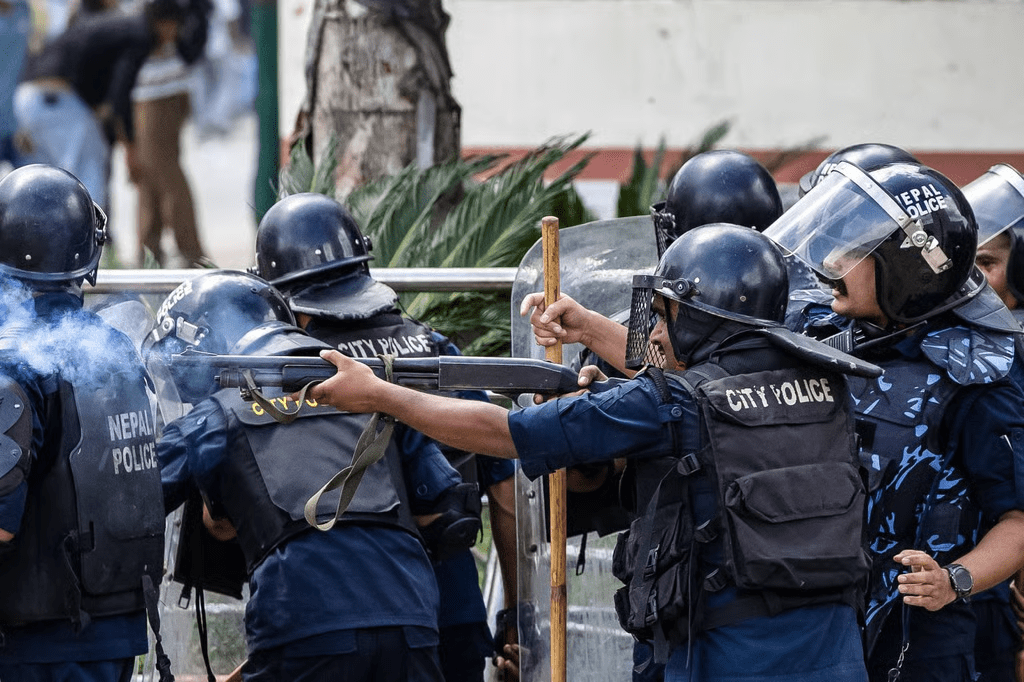
On September 8, what began as peaceful rallies in Kathmandu escalated into one of Nepal’s bloodiest crackdowns in years. Protesters near Parliament demanded an end not only to the ban but also to decades of corruption and unaccountable governance. Police responded with tear gas, water cannons, rubber bullets—and eventually live rounds.
The result: at least 17 to 19 killed, with over 100 injured, including students and police officers. Witnesses described scenes of chaos as young demonstrators, many armed only with placards, were chased and beaten.
A 21-year-old student told reporters:
“We are not dying for Facebook. We are dying for a future where leaders don’t steal our country’s future.”
A Generation’s Distrust
Unlike previous protest movements dominated by political parties, this was a grassroots uprising – organized by students, freelancers, and young professionals. Even Kathmandu’s mayor, Balendra “Balen” Shah, publicly declared that political parties should not hijack the protests, recognizing their purely anti-corruption roots.
Artists, comedians, and cultural icons also joined the chorus. Actor Hari Bansha Acharya said:
“This generation’s voice is not against democracy. It is against leaders who betray democracy through corruption.”
How is the Government Responding?
Facing mounting pressure, the government lifted the social media ban on September 9 and promised a 15-day investigation into the shootings. Prime Minister K.P. Sharma Oli expressed regret and pledged compensation for the victims’ families. But many young protesters doubt whether investigations will lead to real accountability, especially when corruption itself is so deeply entrenched in the political class.
Meanwhile, claims spread online that authorities could begin tracking down student protesters, raising fears of reprisals and intimidation. While unverified, such rumors highlight the mistrust between youth and state authorities, where even promises of reform are met with skepticism.
Is Nepal Protesting Against the Social Media Ban?
The Gen-Z uprising in Nepal is not just about technology; it’s about the erosion of faith in democracy due to corruption. For a generation that grew up with global connectivity, watching opportunities vanish while politicians enrich themselves feels intolerable.
The government may have restored social media, but unless it tackles the rot of corruption, Nepal risks facing more unrest.
As one student summed it up:
“They can ban apps, they can shoot us, but they can’t erase our anger. Until corruption ends, we will not stop.”


Leave a Reply