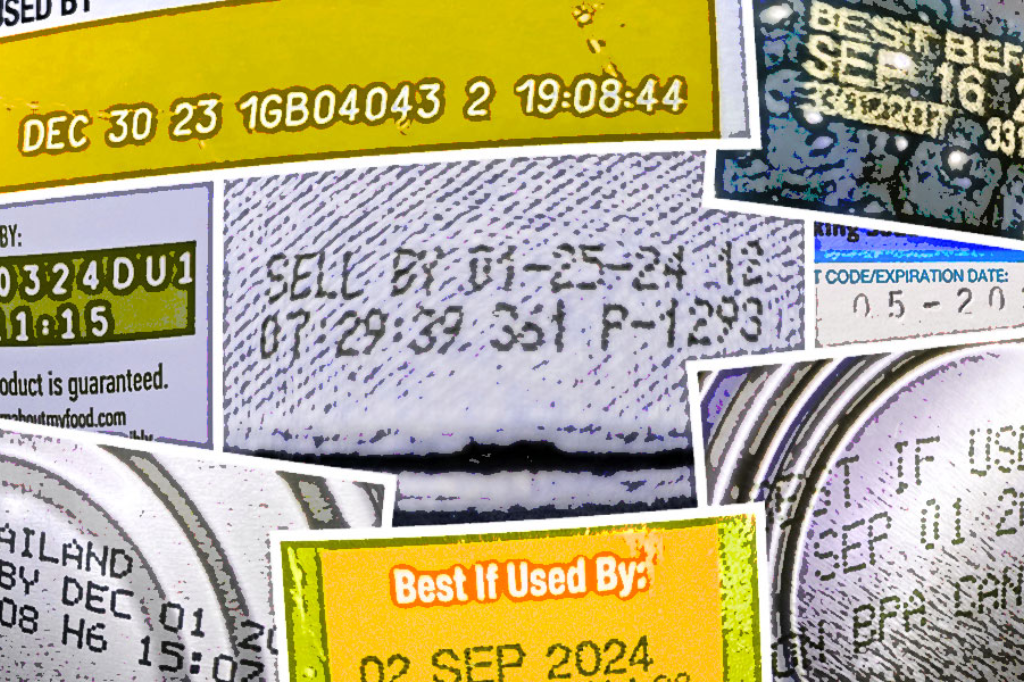
Quick answer: “Best if used by” is about quality, not safety. The food is still fine to eat after that date, it just may not taste as fresh. “Use by” is about safety. That’s the date after which a product’s safety can no longer be guaranteed, and it’s the one worth taking seriously. Starting July 1, 2026, California’s AB 660 makes this exact distinction the law, and bans the vague “sell by” date from food packaging entirely.
If you’ve ever stood in your kitchen wondering whether something past its date is actually still fine to eat, this is the law that finally answers that question, and the confusion it fixes has been costing households money for years.
What is California AB 660?
AB 660 is the California law, signed by Governor Gavin Newsom and authored by Assemblymember Jacqui Irwin, that standardizes food date labeling statewide. Starting July 1, 2026, any packaged food sold in California has to use one of exactly two phrases if it carries a date label at all:
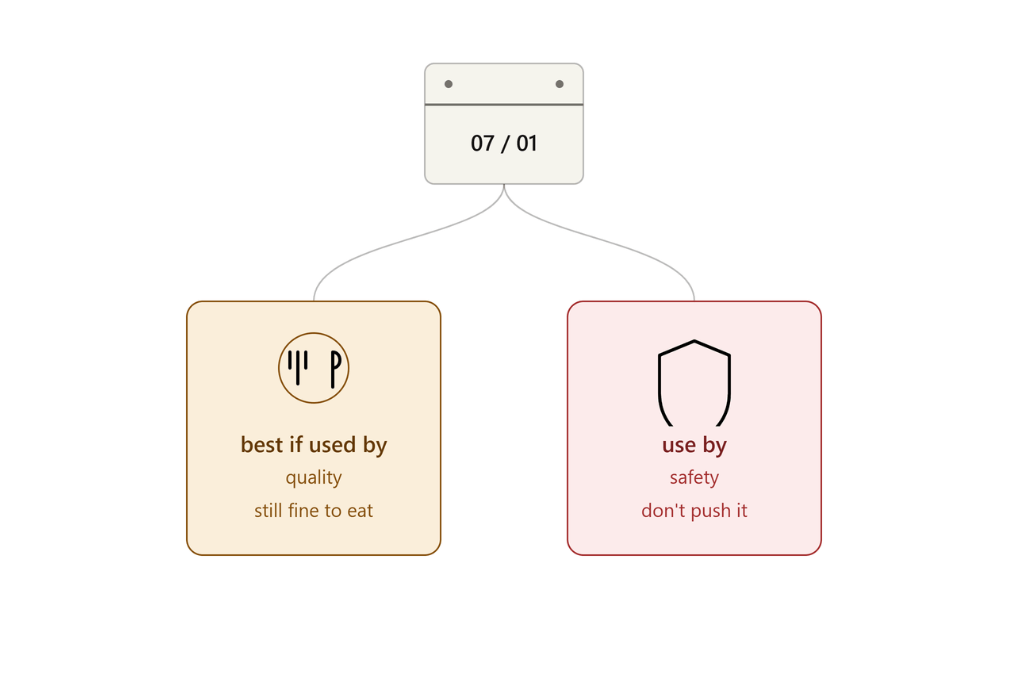
- “BEST if Used by” (or “BEST if Used or Frozen by”) means quality, not safety. The food is still fine to eat after this date. It just might not taste as fresh, crisp, or flavorful as it did before.
- “USE by” (or “USE by or Freeze by”) means safety. This is the date after which the product’s safety can no longer be guaranteed, and it’s the one date you should actually take seriously.
“Sell by” dates disappear from packaging entirely. That phrase was never meant for shoppers in the first place. It existed purely to tell store employees when to rotate stock, but most people read it as an expiration warning and threw out perfectly good food because of it.
Why this exists
Before this law, the US had more than 50 different phrases showing up on food packaging: “best by,” “expires on,” “freshest by,” “sell by,” and others, all used inconsistently between brands and even between products from the same company. Confusion over what these dates actually meant is estimated to cause roughly 20 percent of consumer food waste nationally. California lawmakers behind the bill point to the average American household tossing around $1,300 worth of food a year that was likely still safe to eat.
The fix is deceptively simple: collapse 50+ phrases into two, and make it unmistakable which one is about taste and which one is about safety.
Does this only apply in California?
The law itself only applies to food manufactured on or after July 1, 2026, and sold in California. But here’s the part that matters if you live anywhere else: most major food brands distribute nationally, and it’s rarely cost-effective to print one label for California and a different one for the other 49 states. Manufacturers facing this exact situation with past state-specific labeling laws have typically just adopted the stricter standard everywhere. Expect “BEST if Used by” and “USE by” to start showing up outside California over the next year or two as inventory turns over, even though no other state currently requires it.
What this means at the kitchen level
| Label you’ll see | What it actually tells you | Should you toss it after the date? |
|---|---|---|
| BEST if Used by | Peak quality window has passed | No, not automatically. Use your senses. |
| USE by | Safety window has closed | Yes, this one’s worth respecting |
| Sell by (older stock, pre-2026) | Meant for store shelving, not you | No, this was never about safety |
A box of crackers stamped “BEST if Used by March 2027” sitting in your pantry in April 2027 is not dangerous. It might be slightly stale. A carton of deli meat stamped “USE by” three days ago is a different story, and that’s exactly the distinction this law is trying to make unmistakable.
One exception worth knowing: eggs, infant formula, and a handful of other categories are excluded from AB 660 and keep their existing date rules, so don’t apply this logic universally.
The takeaway
For years, the date on your food packaging has been doing double duty as both a marketing tool and a safety signal, and nobody could tell which job it was actually doing at any given moment. This law splits that into two honest categories. It won’t eliminate food waste overnight, and plenty of people will keep tossing food the moment any date passes out of habit, but it gives anyone willing to read the label two words that actually mean something specific, rather than fifty that didn’t.
Frequently asked questions
Is food safe to eat after the “best by” date? Generally yes. “Best by” and “best if used by” dates are about peak quality and flavor, not safety. The food is typically still safe to eat after that date, though it may not taste as fresh. Use your senses, smell, texture, and appearance, as your real guide.
Is food safe to eat after the “use by” date? This one is different. “Use by” dates are about safety, not just taste. Once that date passes, the manufacturer can no longer guarantee the product is safe, so this is the date worth taking seriously, especially for items like deli meat, soft cheese, or fresh seafood.
What does “sell by” mean, and is it being banned? “Sell by” tells stores when to rotate stock off shelves. It was never meant to signal safety to shoppers, but most people read it that way and discarded food unnecessarily. Under California’s AB 660, visible “sell by” dates are banned on food manufactured after July 1, 2026.
Does California’s food labeling law affect people outside California? The law technically only applies to food sold in California, but most national brands print one label for the whole country rather than a separate one just for California. Expect “best if used by” and “use by” to show up on packaging nationwide over time, even without a matching law in other states.
What foods are exempt from AB 660? Eggs, infant formula, and a few other categories are excluded and keep their existing date rules.
Read about: Why Millions in the UK Are Turning Flexitarian?
 Xorvex
Leave a comment